Sunday, March 29, 2015

Congaree Scouting Trip

Today's trip was to Congaree National Park, a huge park with excellent boardwalks in a virgin bottomland forest. This park boasts some of the largest trees of some species, including Loblolly Pine and Sweetgum. It's an excellent place for birds and it's always a fun trip.

First off.

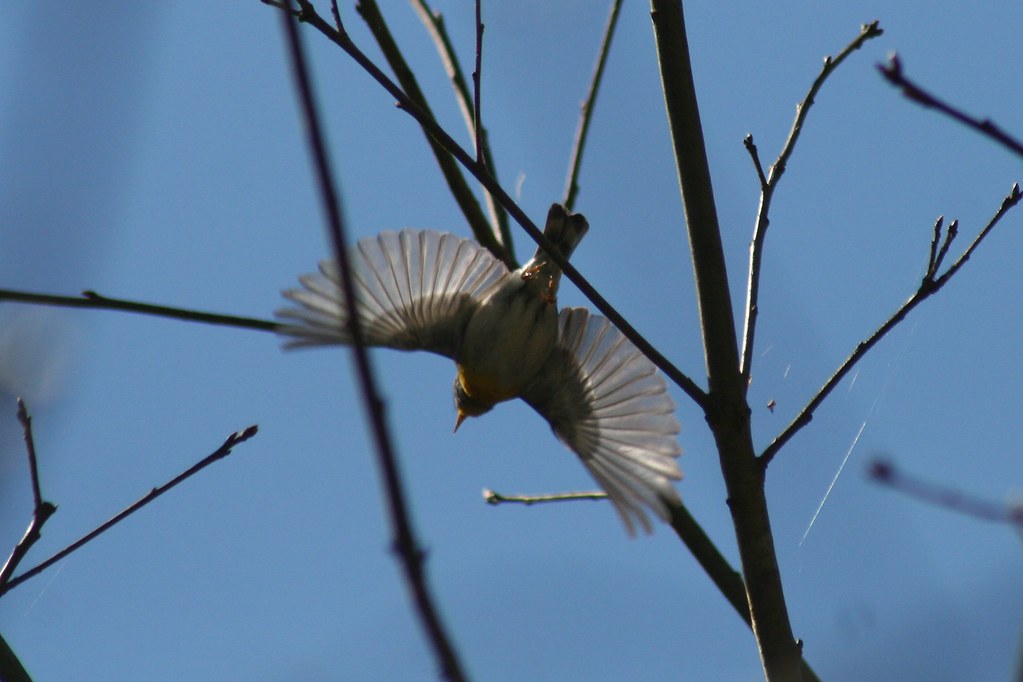
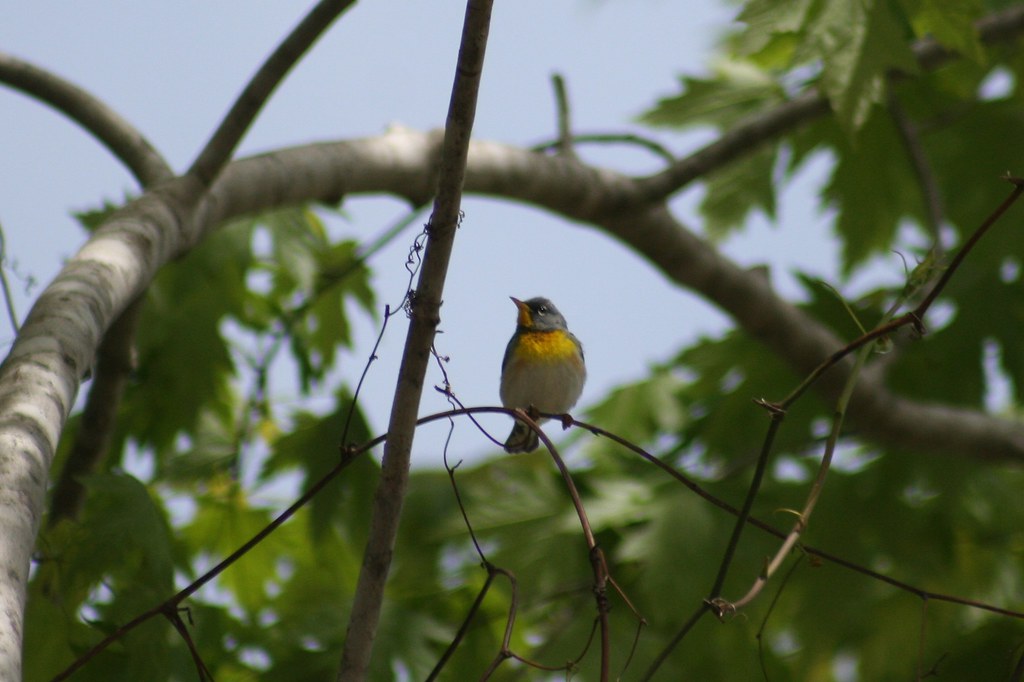
SO. MANY. PARULAS.

Last night there was a cold spell that caused some frost to form up here by Charlotte, so that halted all migrants. I guess it was like a mini-fallout because there were at least 50+ parulas swarming and buzzing their heads off throughout the park.

We found a small flock of them in a scrubby, but leafy (budding) area, which was full of sun. We had many close encounters with this flock of around 10, with quite a few coming within feet of us.

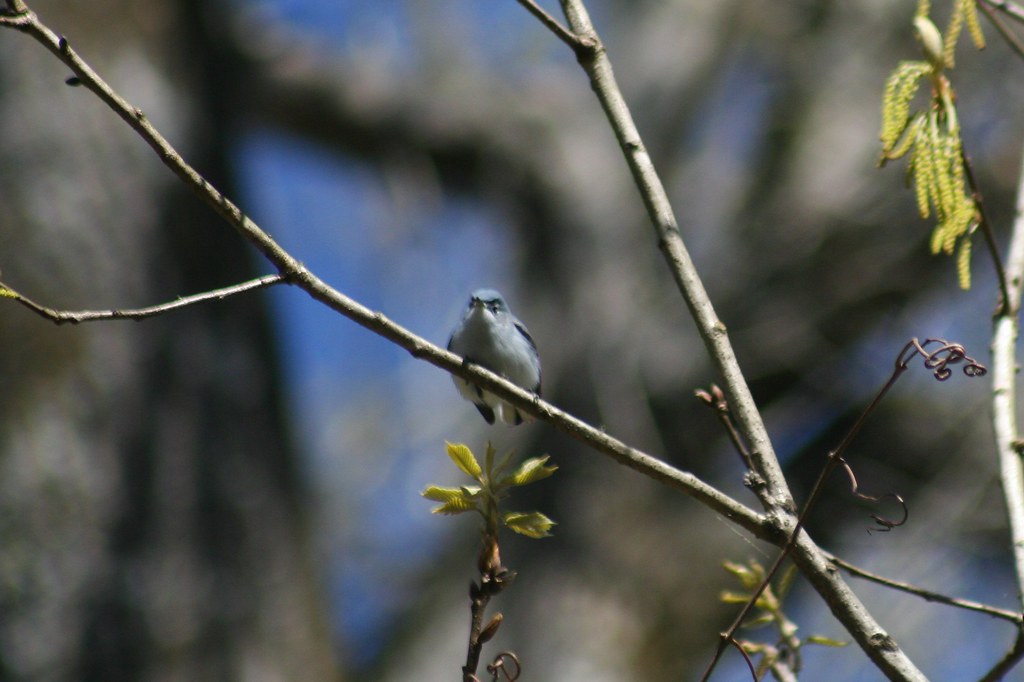
There were also a few Blue-gray Gnatcatchers, but in much lower numbers. I think they're more spread out, as they're a bit hardier than the parulas.

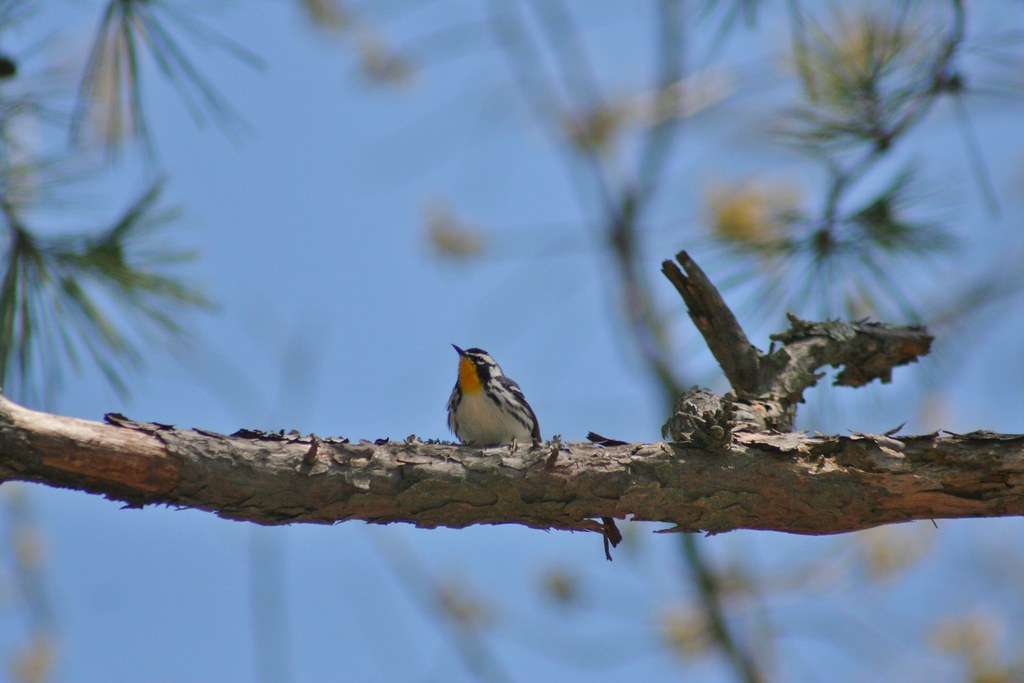
We also heard (and I saw only one) Yellow-throated Warblers, which was also a year bird. Their downward song was quickly learned and we heard many.

This was taken last year, however.
Along with the early migrants were a few very skulky White-eyed Vireos, which sang their chick-brrrrrrr-ow-chick song loudly. It's one of those songs I love to hear, and I'm glad they're back already!

Bad picture, I know. Skulkers...
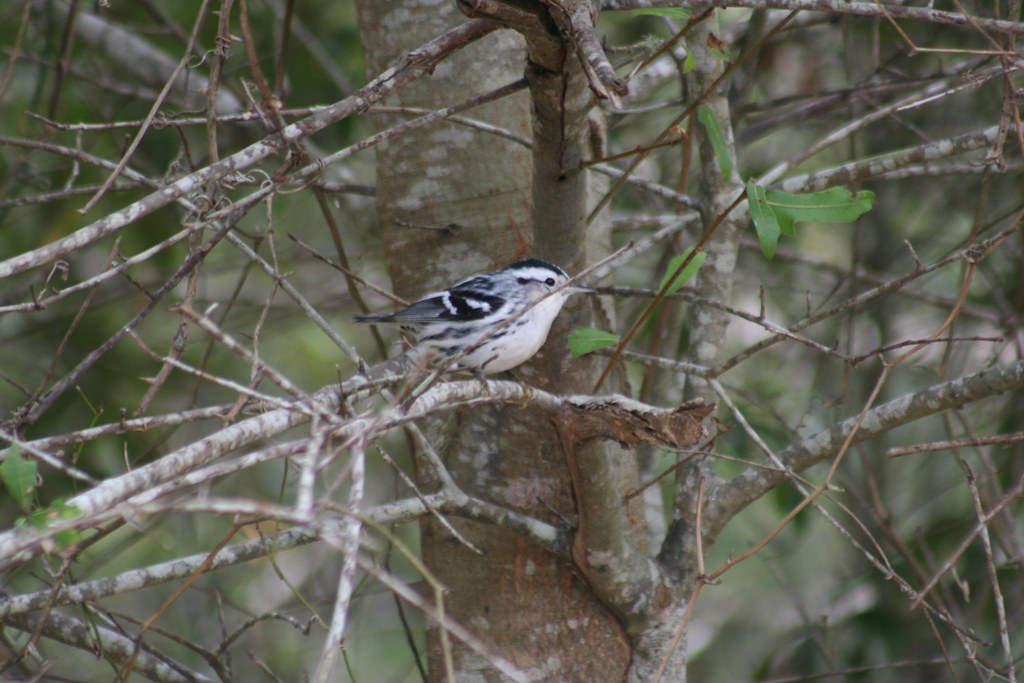
However, we did miss a few things. We did not see any Pileateds but heard a few, which is a bit odd for the park, and no Barred Owl, which is understandable. We attempted to look for Black-and-Whites, Louisiana Waterthrush, and maybe even Prothonotary Warbler, but we missed them all. I think the frost may have halted any more migration or killed them.

But worry not, northern birders! Despite your many feet of snow, the migrants are coming, as proven by the woodcocks, phoebes, and other arriving hardy birds!

Coming to a forest near you!

Monday, March 9, 2015

Impatiently Waiting for Spring

I hate March.

March is a dead time for me- the ducks start leaving, the early migrants aren't quite here yet, and the days are bipolar. I don't even like winter to begin with, since my part of the world doesn't get any major rarities (the phalarope was nice, but it's mainly things like goldeneye and stuff) and anything good is far, far away. For instance, a White-tailed Kite and a Ruff are three hours away, while the Smith's Longspur in VA is four. The earliest migrants- if you can call them that, they're almost winter residents by now- such as Blue-headed Vireos, Black-and-White Warblers, and Common Yellowthroats haven't moved too much in my area yet, although I wait eagerly for their return.

How I await the sweet song of a vireo...
or the bold black and white stripes of the B&W Warbler...
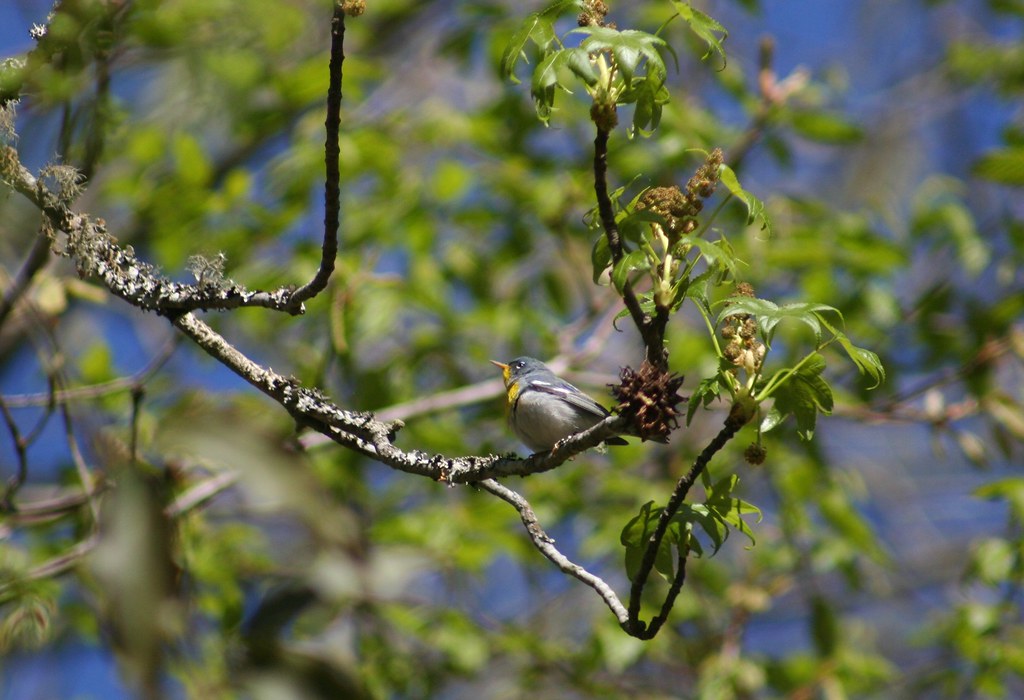
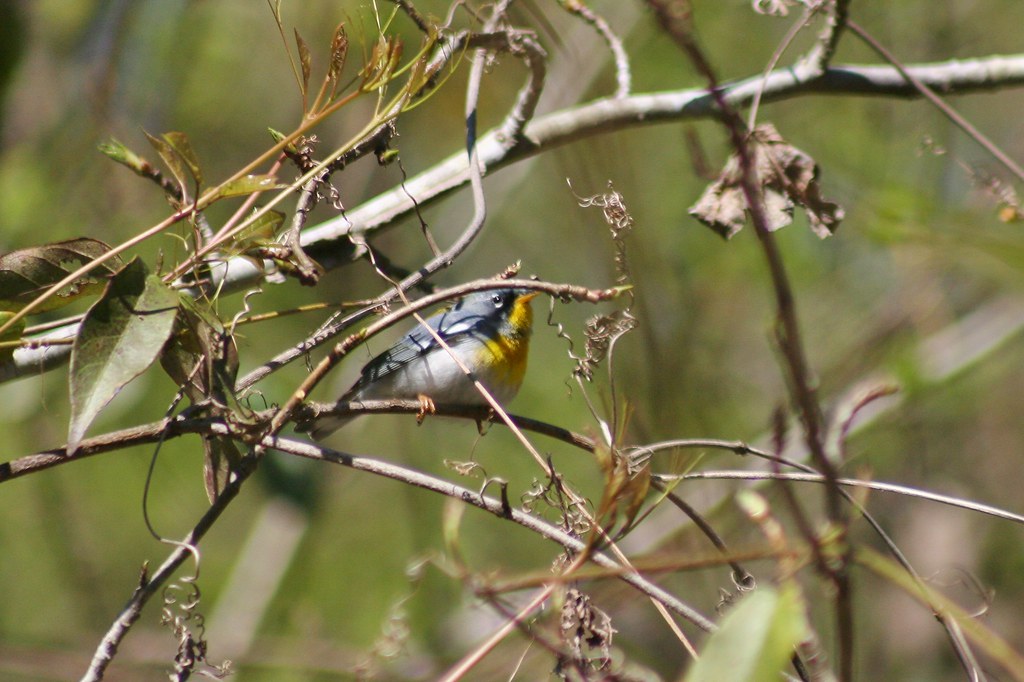
...and the bright colors of a Northern Parula.
I have so much planned for April, including possibly 2 trips to Congaree National Park, lots and lots of trips to the neighborhood patch, and I'm really excited for my spring break trip to Myrtle Beach, SC. My life list is at 286 and I'm really hoping #300 is something special- I want it to be a Painted Bunting, a bird I consider my nemesis. A Peregrine Falcon or a Golden-winged Warbler would be nice too- but I'll admit, I don't want it to be something like a Western Sandpiper or Mottled Duck. If I don't reach 300 during spring break, then hopefully I'll hold out until July when we head to Florida. I would love to get Nanday Parakeet or Short-tailed Hawk or another neat Florida bird as 300. 

Anyway, I digress. It's been rather slow with not many lifers or yearbirds- my latest year bird is Ring-necked Duck and Osprey. I had some Common Ravens in my county, which is uncommon enough to put on the listserv (no way am I adding to the "feeder bird" craze) and yesterday a Hermit Thrush whisper-sang its amazing song. I never get tired of that beautiful sound!

Love is definitely in the air, with courting Red-shouldered Hawks screaming and soaring around, robins fighting, mockingbirds and thrashers breaking into song, and aforementioned Hermit Thrush singing. It's great to hear the morning chorus, but I long for the voices of warblers to join. 

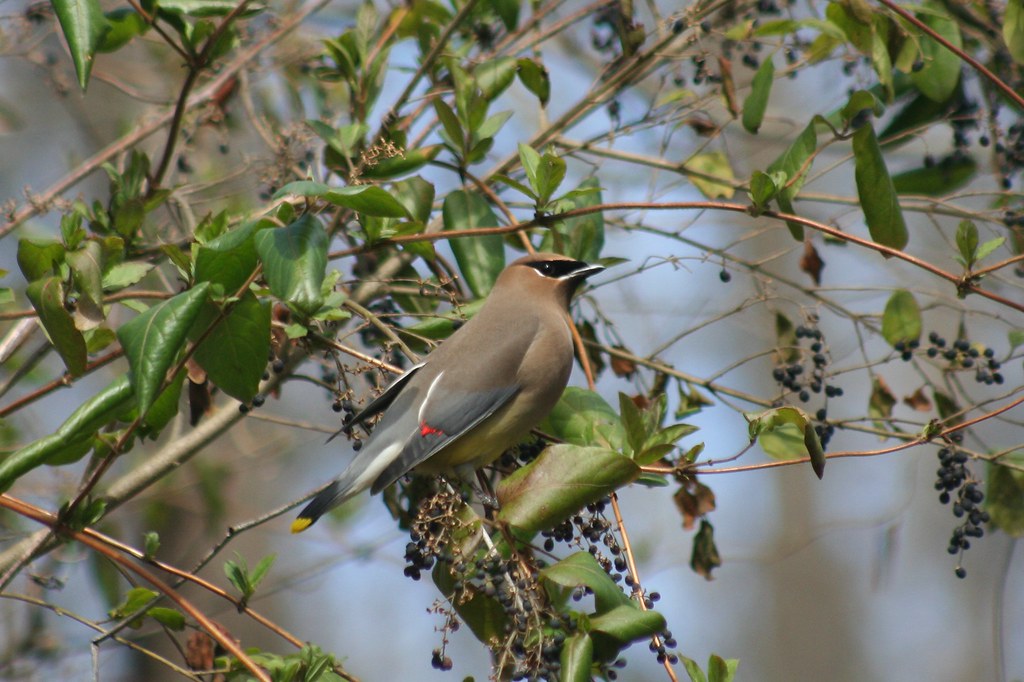
I had a lot of Cedar Waxwings spreading privet berries in my patch- the ground was littered with their droppings. Privet is a serious problem in my neighborhood, along with Japanese Stilt-grass. But the waxwings love it, and they seem to be stocking up for breeding season.

Waxwings are sharp looking birds.
Another masked bird of note is a Loggerhead Shrike that gave Matt and I great views. Shrikes are declining a bit around here, so it's always nice to see one.


I got to watch this individual barf up a pellet, which I thought was pretty cool. I wanted to find the pellet so I could see what it had eaten, but daylight was limited, so we got out of there.

Other than all that, it's been rather slow. Birding is happening, but birds are not. Hopefully our beloved spring migrants arrive soon, and safely! Happy birding!

Wednesday, February 18, 2015

Finding a Rarity

Chances are, if there's a rare bird, I didn't find it. The only birds that are flagged by eBird as rare are something not quite rare- uncommon, late, or early, really. The only notable thing I've found on my own was a Kentucky Warbler in my neighborhood- not a terribly uncommon bird in North Carolina, and certainly special to me, but otherwise nothing too fancy.

Well! All that changed today when my friend Matt called me this morning to see if we could go birding. Today we had the day off (why? I don't know. It's hardly iced over anymore) so we drove to Pee Dee NWR, which I had posted about before. It had started off fairly well, with me FINALLY seeing some Fox Sparrows, a bird that I hadn't seen in a couple of years. 

I almost forgot how pretty you are!
We looked for bobwhites, which can be found there, but fell short. We found some Wood Ducks on the main pond, with a nice mix of sparrows and Winter Wren, Hermit Thrush, and a Brown Creeper. The boardwalk through the forest got us most of our winter passerines. I thought I saw a Bufflehead out on the water, but lost it as I set up my scope.

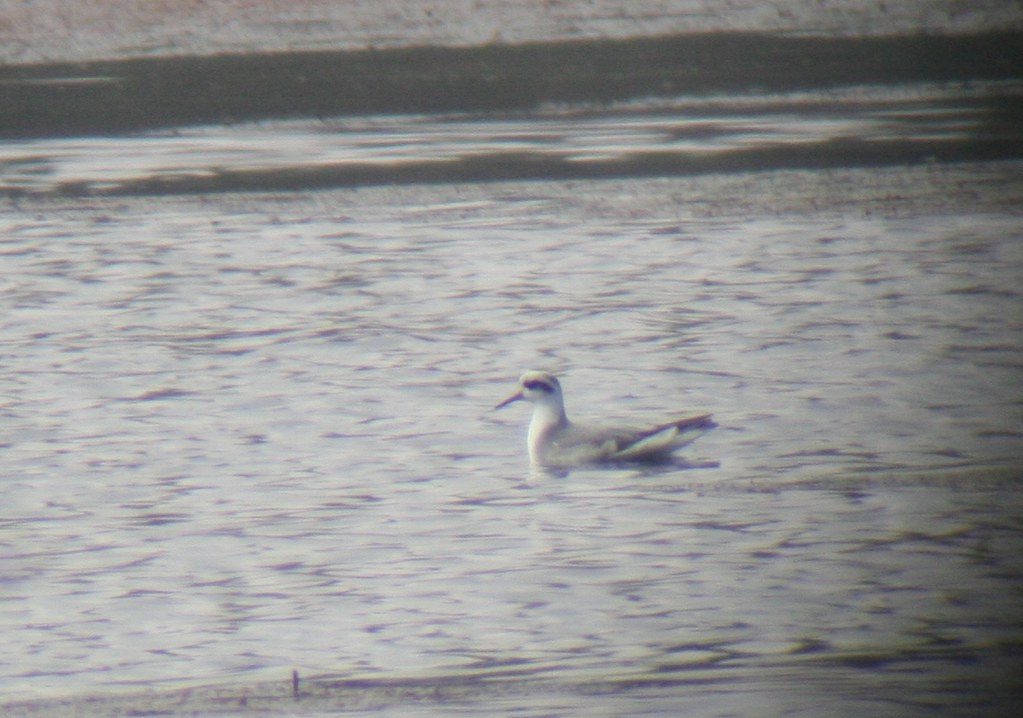
As we continued up the drive, keeping an eye out for any ducks, grebes, or snipe, we paused to watch the Wood Ducks take flight. I spotted something small and white on the water, and pointed it out. A small white bird was floating on the water, Our minds first jumped to a Forster's Tern or Bonaparte's Gull. But this bird was swimming, and bobbing its head! I had seen Bonaparte's swim in the water, but this was no gull...

So what was it?

A phalarope!


We thought it was a Red-necked, as it seemed small and had a thin bill. I've been told it's a Red. Either way, it would be a lifer, but it would be nice to know exactly what it is. (Edit: It's a Red and do NOT count on your Sibley's for phalarope ID. Terrible, terrible!)

Phalaropes are pretty uncommon in North Carolina, with the only reliable way to see one being on a pelagic. They are much rarer inland, where they normally pop up after storms. With the cold front and wintry weather, it's plausible that this bird got pushed south and inland. It's an amazing stroke of luck that Matt and I found it; if it wasn't for the weather, school, location, etc. we would've never found it!


I'll give an update when a verdict is reached, but it's probably Red.

Edit: And yes, it's a Red. Sibley's was the only reference material we had, as Matt's phone died, taking the digital Peterson's with it. Red-neckeds have a crazy mix of darks and lights on their backs, while Reds are the solid pale gray. In Sibley's, the two nonbreeding birds look almost exactly alike, which caused our confusion.

Wednesday, February 4, 2015

Carolina Bird Club Meeting- Nags Head

Most birders can drive. A lot are retired. This is the perfect thing for a lot of birders, since they have a lot of time to go and chase rarities/go to lots of places. Young birders generally do not have the time, money, or ability to drive, so we are stuck begging our (non-birding... if you have birding parents, you have all of the above) parents to get out of the house and drive us somewhere, whether it be a stunning state park, a wheat field, or an Audubon meeting.

I am lucky enough to know a fellow young birder, Matt, who just got his driver's license and has a super nice mom. I am also lucky I work at a Wild Birds Unlimited, where most of my funding comes from. So I managed, with the help of a few adults, to go to the 2015 Winter Carolina Bird Club meeting.

The Carolina Bird Club is the biggest bird club in the Carolinas and spans both North and South Carolinas. They have three meetings each year, in Winter, Spring, and Fall. Technically, the Carolina Young Birders Club is the 'youth' version of it. I had never gone to a meeting before and I figured since I had a ride (Matt's awesome mom) and a room (thanks to Ron Clark, the amazing guy who planned the whole thing and got me a room!), I went! Needless to say, it was two days of EXTREME BIRDING!

Look into the eyes of this heartless gull. He will eat your Hooded Mergansers without mercy. Deep down, they only want to be appreciated, and appreciate I did. Lifer #275.

I have birded in cold weather before, plenty of times- in the Piedmont. In coastal South Carolina. Nothing really prepared me for the deep chill I would experience at Nags Head. The first day of birding was cold, wet, and windy, and we started the day with rain. Not the best, but we birded inland first and got me a lifer, Red-breasted Nuthatch. The rain didn't let up, so we stayed at Oregon Inlet Marina for a bit, while Steve Ritt, our trip leader, pointed out gulls and how to ID them. Steve was an extremely knowledgeable guy and he knew a lot more about gulls than I ever cared to learn!

For example, this is a juvenile Great Black-backed because of the "salt-and-pepper" markings on the mantle, lack of mirrors on the wingtips, rather pale head, and very heavy, solid black bill.
As the rain died down, we moved to the other side of the inlet, where the wind was intense. I, being the naive Piedmont birder, was not prepared for the wind and cold that awaited me. The wind lashed my hair (which is decently long) in front of me, obscuring my vision, and tore any heat away. My hands and face became very numb and red- it felt very weird to move the muscles, but I was afraid of getting frostbite. The jetty itself was very rocky, and we hoped for Purple Sandpipers on the rocks or Ammodramus sparrows in the marsh. We found neither, but we did have a Northern Gannet fly right over our heads. Next time I'll remember to bring a hat, scarves, gloves, and a better jacket.

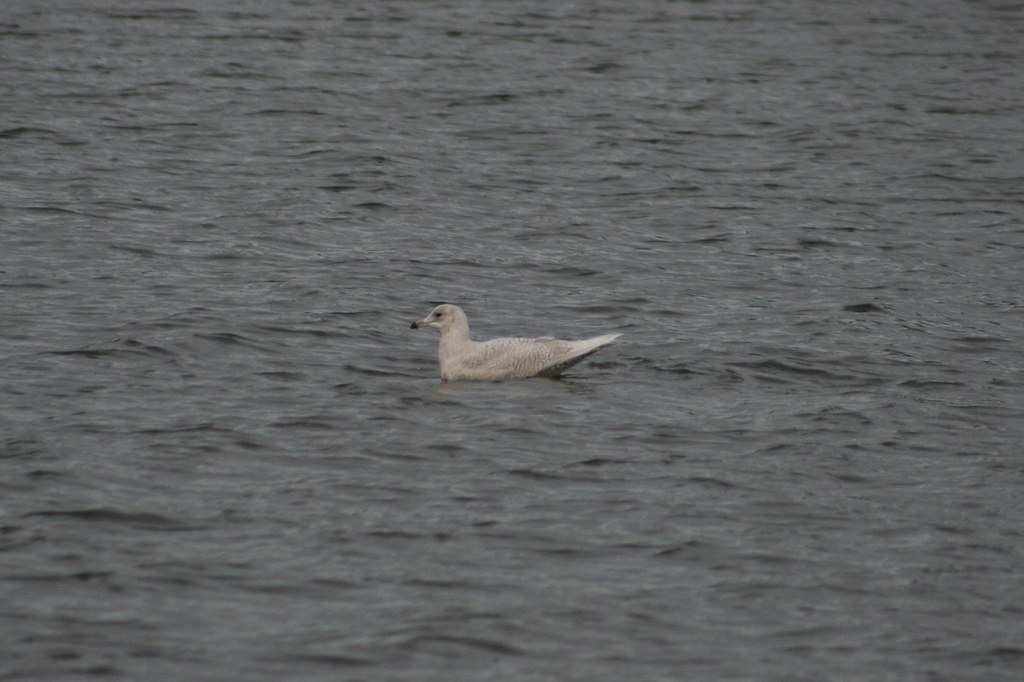
In the afternoon, I was on Steve's trip again. We first checked out Wanchese Harbor for a reported Iceland Gull, and we found two!
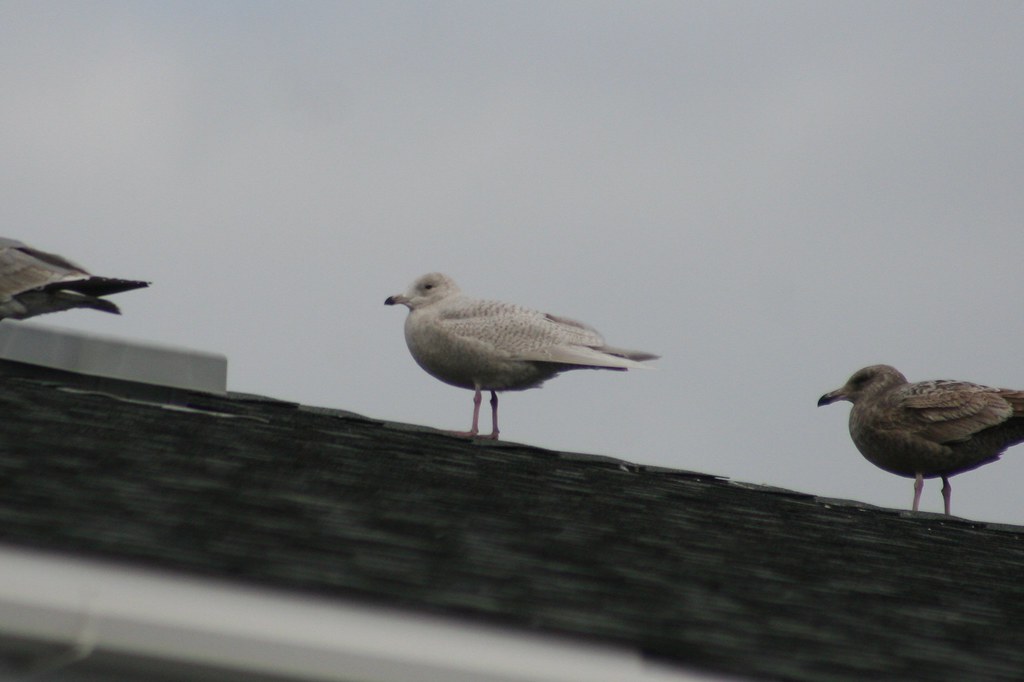
Icelands are slightly smaller and daintier than Herring Gulls.
They're very pale gulls.
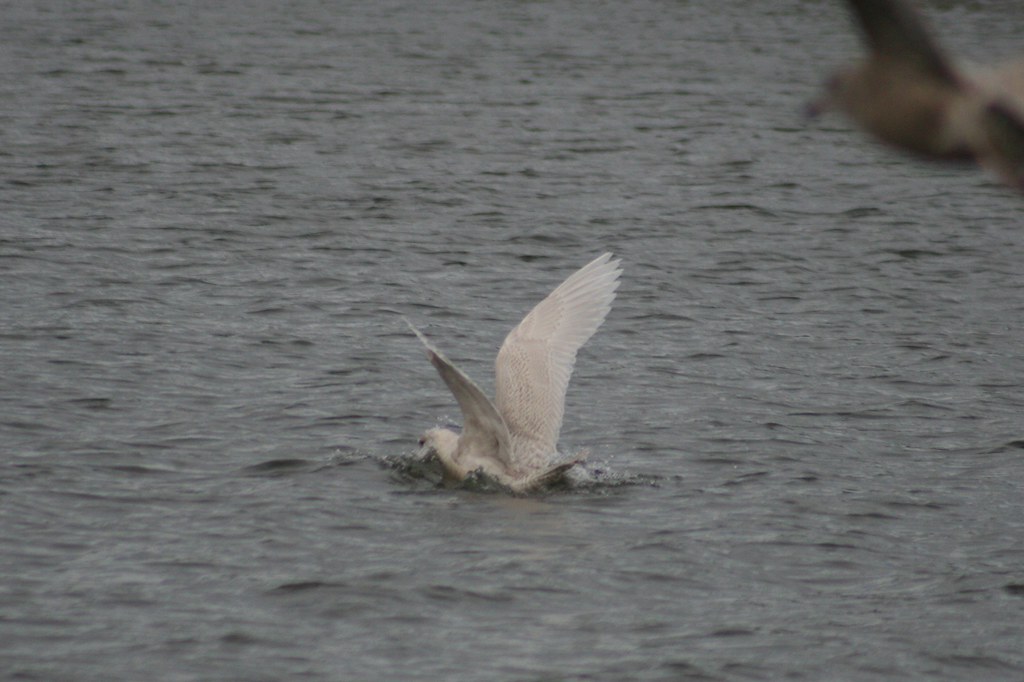
Notice the lack of wingtips on this guy. Aside from being very pale, their lack of wingtips is another good way to find it.
I am not that good at gulls, and normally avoid them, so seeing this very pale gull was a treat. After these trips, I think I respect gulls a bit more now.

The other notable bird we found that afternoon was a late Green Heron.
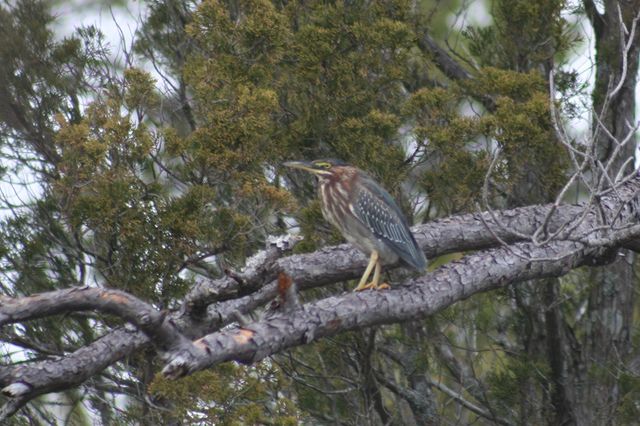
Definitely going south next winter.

Day 2 was just as fun and, if not more, exhausting. I was on the 'Young Birder's Rarity Chase' although it was only Matt and I, really. We tried looking for the reported rarities- a Parasitic Jaeger, Little Gull, Razorbill, and Dovekie were reported at one pier, while there was a Harlequin Duck to go chase too, along with the Iceland Gulls. We tried first for the Iceland, dipped, then went to the pier for the alcids. Dipped on those too. We traveled to the Harlequin when we found out it was not seen that morning, so we turned around to try for some uncommon, but not rare birds- American Bittern and Purple Sandpiper. Also dipped.

We tried for the Iceland again. I'm sure you can guess this one- we dipped.

So the rarity chase turned out to be the worst chase ever, but I did see from the car my lifer American Avocets and Snow Geese. Last-minute I signed up for the afternoon trip to Pea Island NWR, where the two were reported, to get a better look at them.


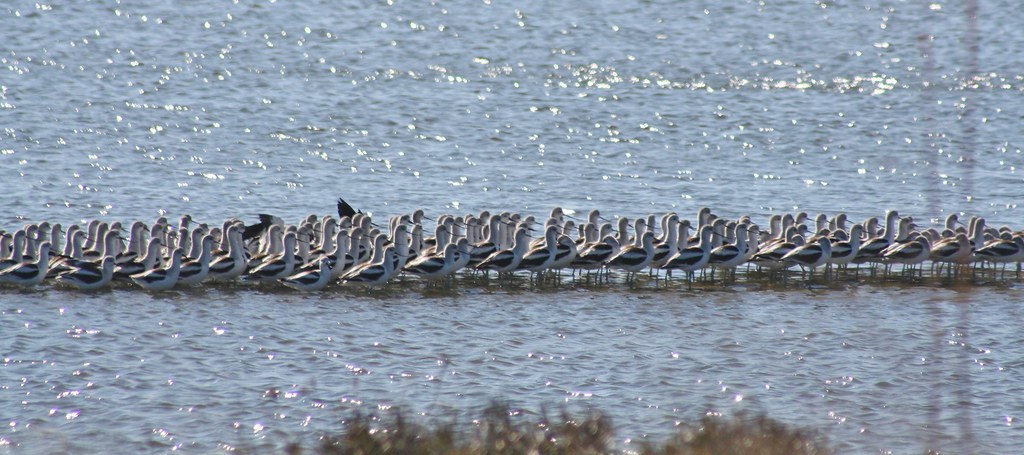
And better looks were had. I estimated from 150 to 200 avocets at the time, but after counting I lowered it to 130.


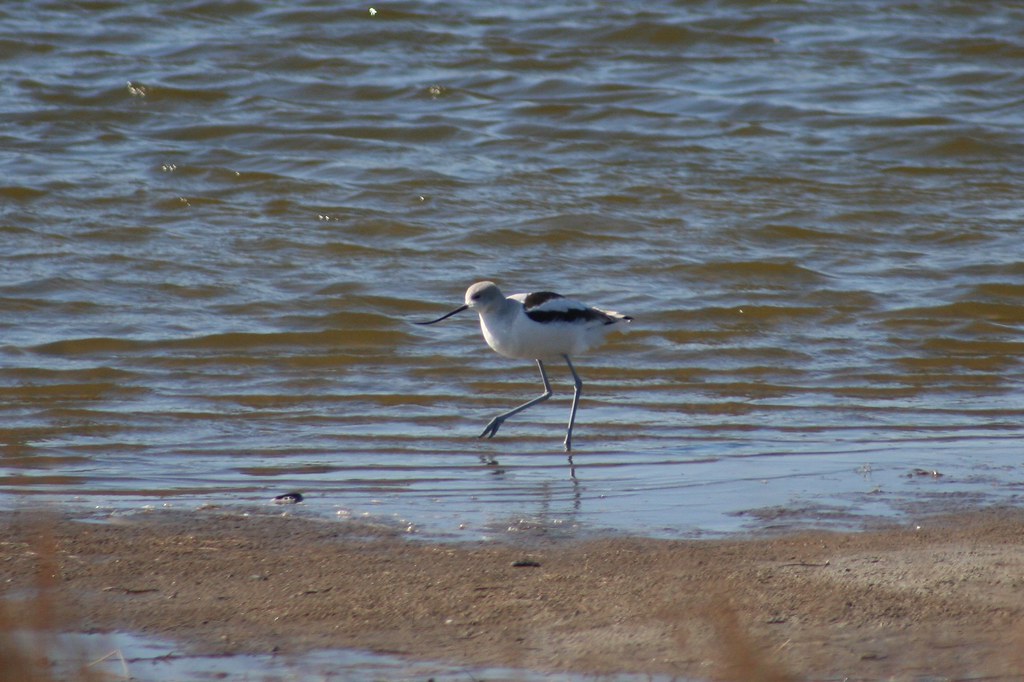
I didn't know avocets had blue legs. Did you?


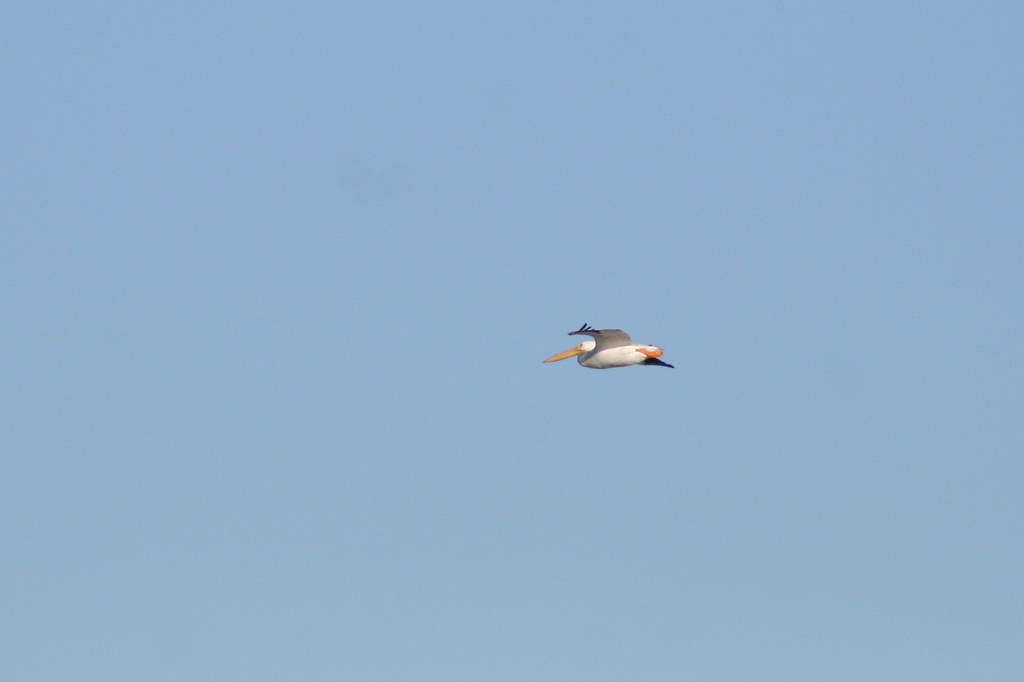
American White Pelicans are majestic birds. This is the first time I've ever seen the knob on the bill- breeding season is coming soon!


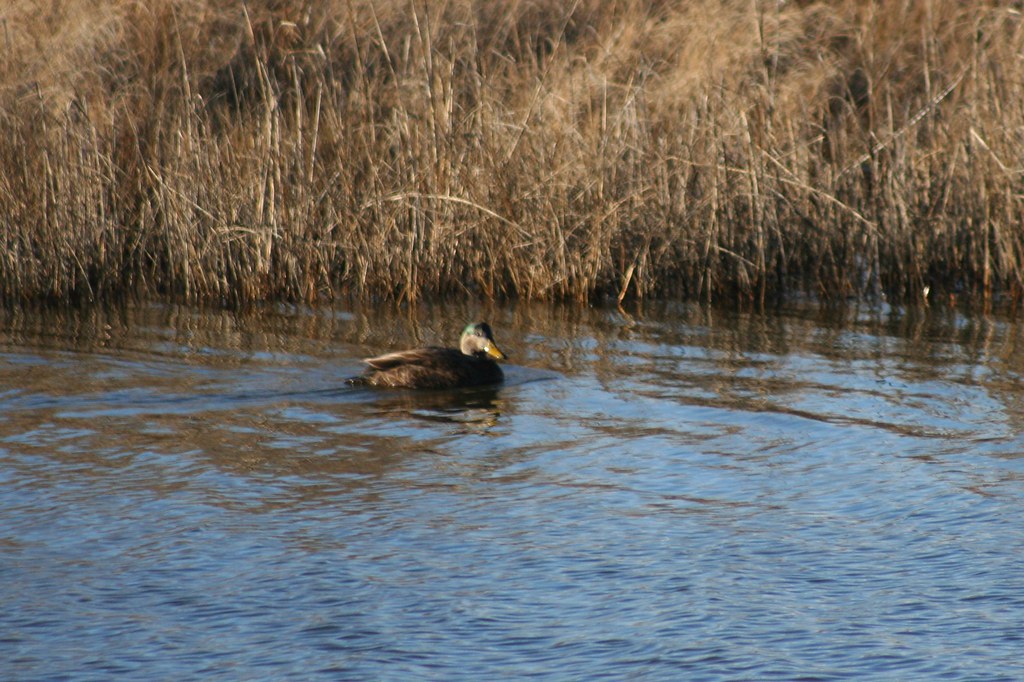
I forgot to mention that on Friday, we spotted a leucistic/albino Redhead. That was the first odd duck I saw that weekend, with this American Black Duck x Mallard hybrid being the second. This is the first wild hybrid I've ever seen, and the green sheen was very hard to see.

That evening, after the meeting, the Northern Saw-whet Owls were re-found. They hadn't been reported for a while now, and I heard in the elevator that someone was going out to see them. I ended up hitching a ride with Nate Swick, the eBird reviewer for North Carolina and the ABA Blog editor. I never imagined actually going out to listen to the owl (when I first saw the reports a few months ago, at least) but there I was, standing in the middle of a moonlit road being very quiet. The owl did start tooting for a good five minutes or so, sounding very close. I decided to count it, since they are really hard to see, so that was lifer #282.

On Sunday, the day of departure, I spent the early morning ocean watching with a few of the other birders there. We spotted some Razorbills, Red-throated Loons, and Black Scoters along with many dolphins. Matt and I tried for a Sora he had seen the day before with great views, but it didn't come out. However, we did see the continuing Yellow-crowned Night-Heron along with its black-crowned cousin, Snowy Egrets, and Tricolored Heron.

Yellow-crowned didn't want to be in the picture.
It was a great weekend and definitely worth the trip/missing of school. I'm looking forward to the one in May, which would be in Clemson, SC. I learned a ton from it and met so many great birders. I highly recommend it to anyone who was thinking of coming!
Tuesday, January 20, 2015

Huntington Beach State Park

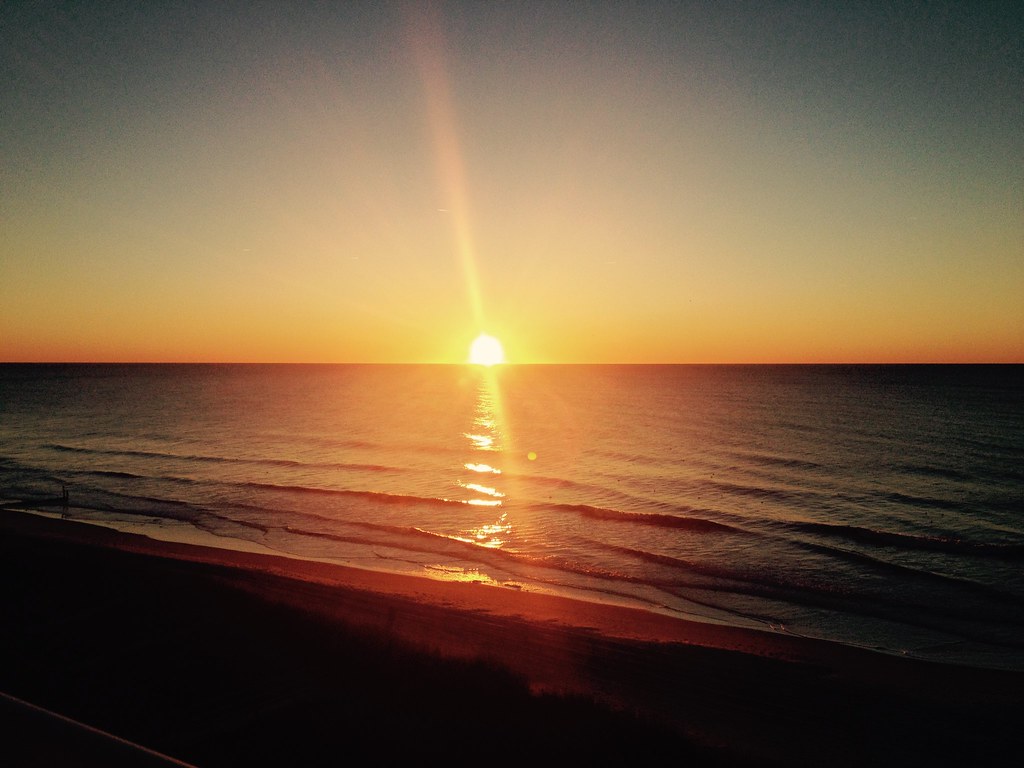
Birders are some of the few people who get up and appreciate a sunrise. 
I think everyone has their special spots that they love, like your local patch of woods or your favorite migrant trap. I think Huntington Beach State Park, South Carolina, is one of those special spots for me.

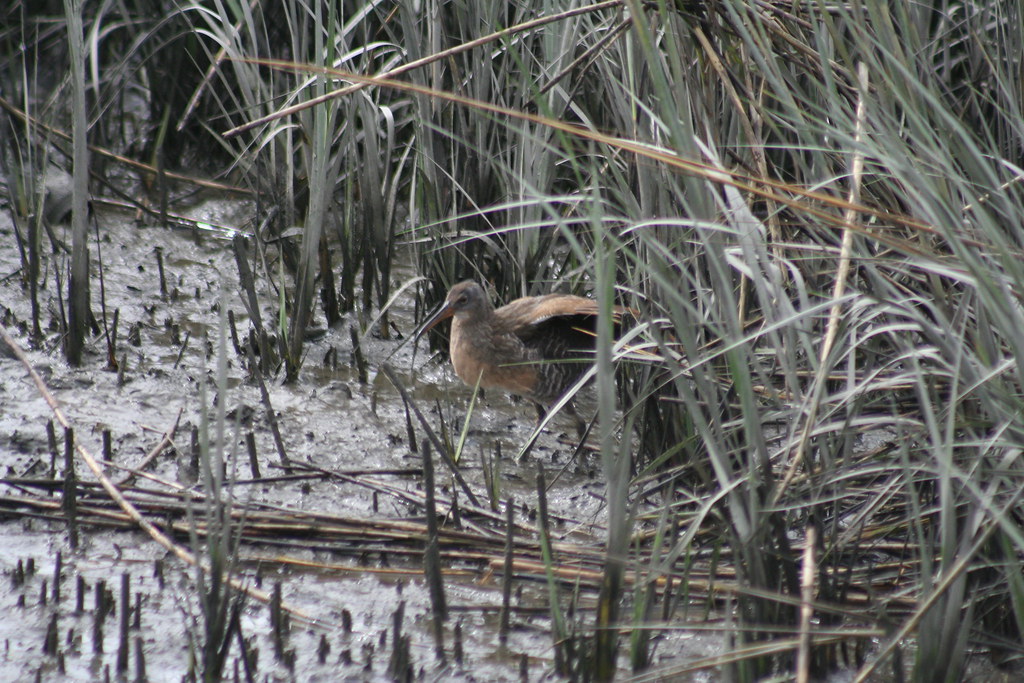
It might sound cliche but it's true. I just really love that park. I would happily pay my $5 entrance fee each day to go. The place is just beautiful, with a large salt marsh and ponds for ducks, waders, and shorebirds, scrubby seaside forest for migrating warblers and passerines, and an untouched beach with a jetty on the northern edge. And like you might've guessed, it's downright birdy. The marshes hide secretive rails, and it's the only place I have seen Clapper Rail.

Clapper from 2013.
Bald Eagles are a common sight soaring above the marsh, causing the mentioned Clappers to go crazy. Merlin can be seen in fall migration, while most of the year you can find Painted Buntings, one of my nemesis birds. Wood Storks, classified as Endangered by some states, breed here as do a few pairs of Roseate Spoonbills. The birds aren't the only thing I love about the park, it's also the amount of birders there. Every time I have gone I've met birders in the field, which for me is rare. I either bird alone or in a group, and when it's in a group, it's always a pre-made field trip. (Nothing wrong with that, though!) But I hardly ever stumble across birders on my own. At Huntington, I've met a lot of great birders, which just reaffirms my love for birding and the sort of culture surrounding it.


The reason for this post was because over the long weekend, we went down to Myrtle Beach and I got to bird there. So here is Myrtle Beach Trip, Part I.

To start things off, just as we drove on the causeway a male Hooded Merganser swam next to the car. The morning was gray and overcast, but despite that I got a decent picture.


After parking, we checked out the main causeway. One side of the causeway is mud flats/marsh and the other is a freshwater/slightly brackish pond. On the pond, a large raft of Ruddy Ducks was the main highlight, with a smattering of Buffleheads, a covey of coots, a male Belted Kingfisher, and many Pied-billed Grebes. On the marsh side, Forster's Terns, a life bird for me, dipped and dove into puddles, snatching small fish from their watery home. They reminded me closely of another small tern, Black Tern, which I had observed in New York.


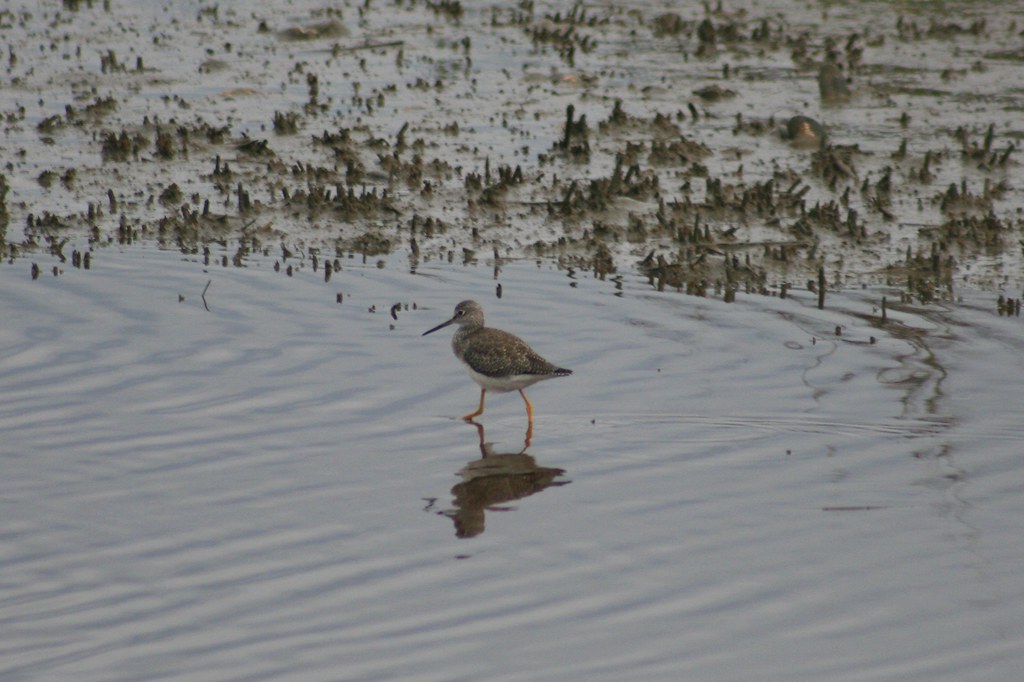
A few birders were also on the causeway, and as I talked, I spied a Tricolored Heron in the reeds. A few yellowlegs, some Lesser, others Greater, flew in on the mudflats, the Greaters whining 'dear, dear, dear!'


A yellowlegs of the Lesser persuasion.

I said goodbye to the fellow birders (one was named Frank... hi Frank! The other said he was going to the Carolina Bird Club meeting in a couple weeks. See you there!) and caught up with my dad (who is a non-birder) who said he had found a duck with a "woodpecker bill". I was confused for a bit until the bird revealed herself... a female Red-breasted Merganser!


This was actually a life bird for me, and nicely wrapped up all three North American mergansers for me. We saw another female later on.

A male Common Eider had been reported about a week earlier, and was continuing. We walked about a mile to the rock jetty were he had been reported. Along the untouched beach we spotted White-winged Scoters, Double-crested Cormorants, American Oystercatcher, and Brown Pelican. When we reached the jetty, the inlet it had formed was full of Bonaparte's Gulls and Common Loons. I saw a few birders headed our way (easy to see because of their scope tripod) and I hurried to ask them about the eider and they said he was headed out to sea, so I should hurry. And hurry I did! I raced down the jetty to find him.

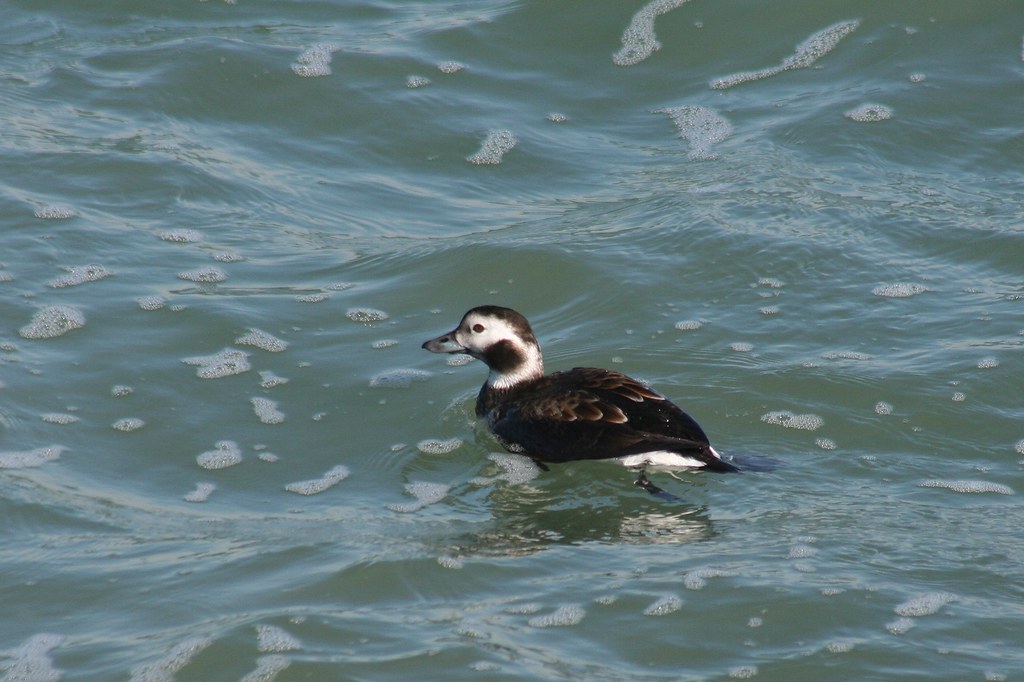
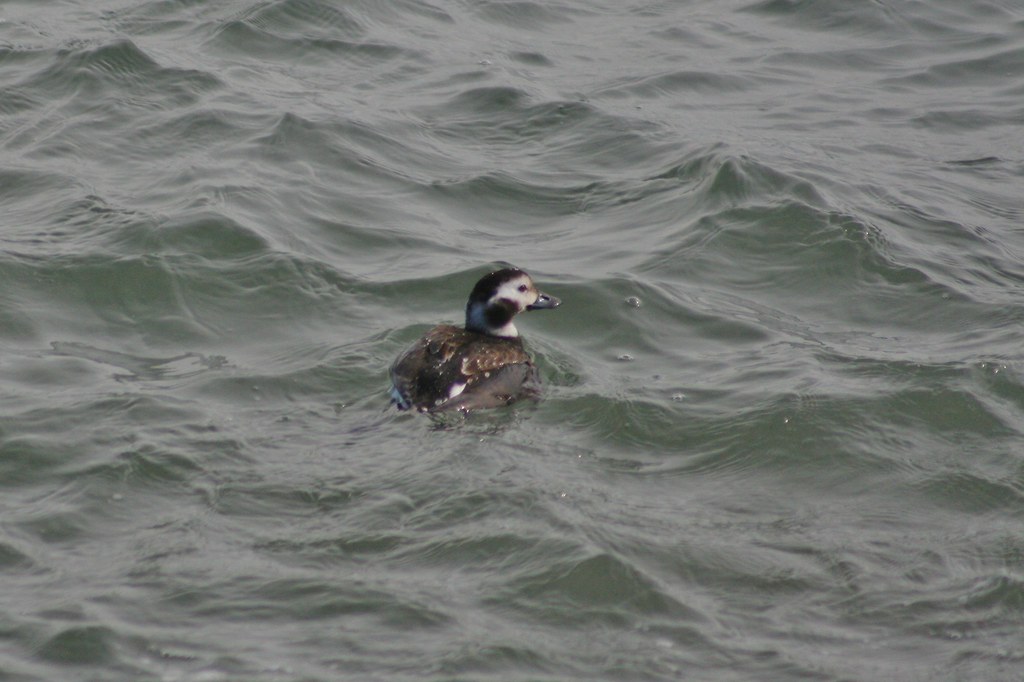
Before I got to the end, I was distracted by a beautiful little duck. It was a female Long-tailed Duck, which the birders had mentioned as well. She was super cooperative and give me some stunning looks. Not bad for a lifer!


Alas, I could not find the eider. A male Black Scoter fly-by was a consolation prize, another lifer. (And now another favorite!) Another birder, Francine, and her daughter joined me and together we tried looking for the eider. We thought we had found it, and maybe it was it, but it was far too distant to check. Before I left, another birder stopped by. Hopefully Francine and that other birder found the eider!

A Piping Plover had been reported on the other side of the jetty, near some mudflats. I went to go check it out. As we walked to it, a Ruddy Turnstone seemed to follow us among the rocks as it flew next to us. A Sanderling decided to join it just as I took a photo.


As we reached the end of the jetty, I set up my scope and scanned. And luckily enough, I found the plover! It was lifer number 274! It was much to distant to get a good shot, but hey, I can call it a plover.

That small white dot in the middle is a bird.

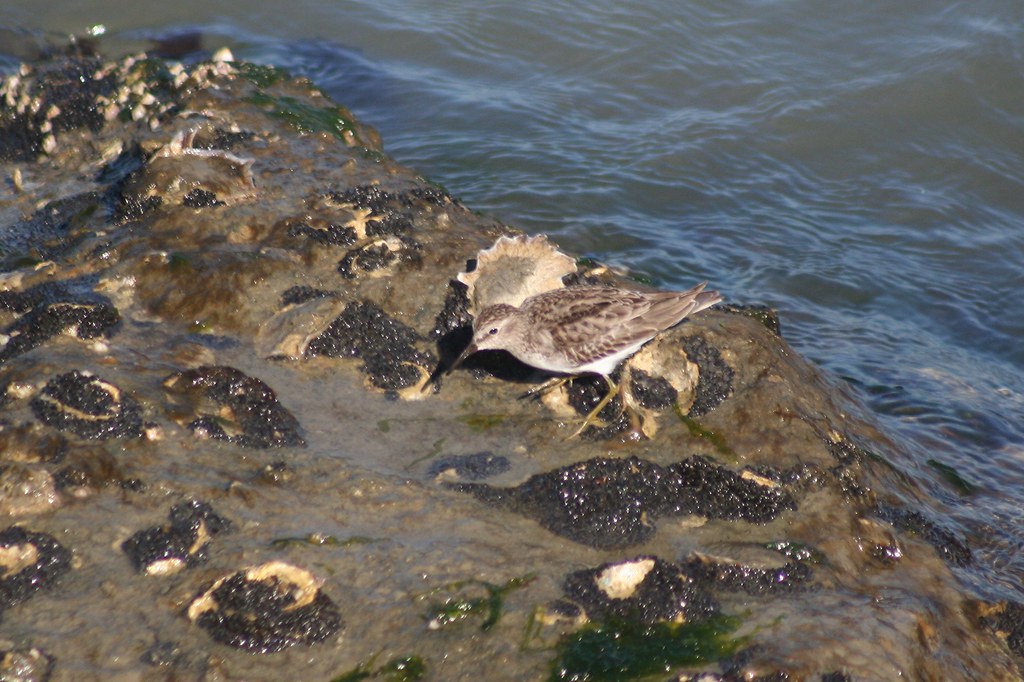
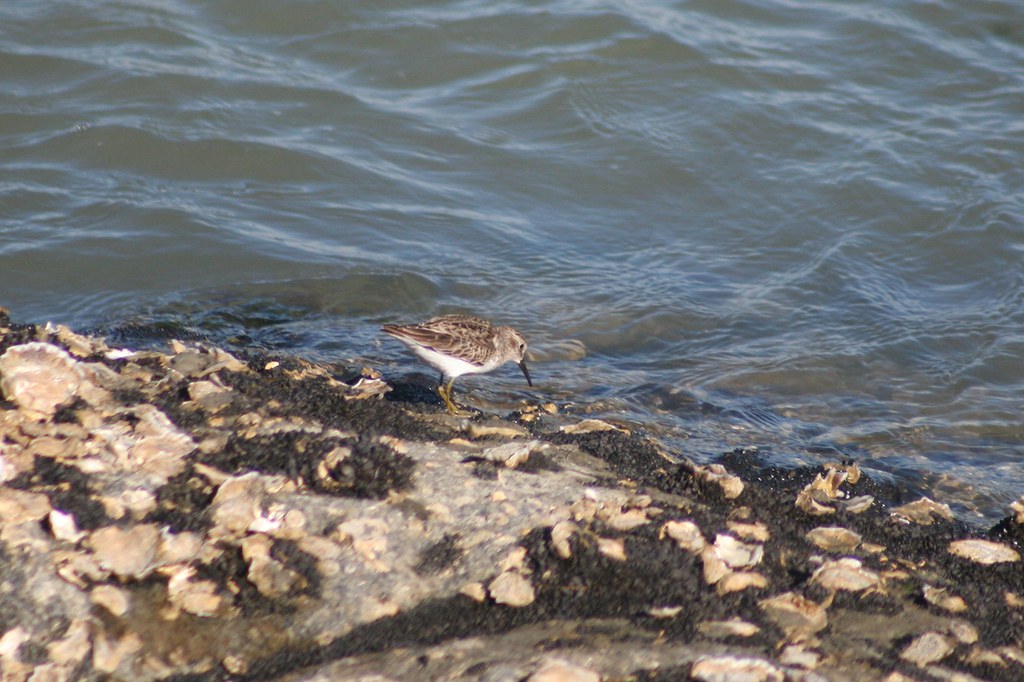
To wrap things up, on the way back I got good pictures of a Least Sandpiper on the rocks and a Dunlin on the shore. I would say it was a good day of birding, with a lot of lifers and first of years!


Here is the checklist: http://ebird.org/ebird/ybn/view/checklist?subID=S21401624

Wednesday, January 14, 2015

Calliope Hummingbird!

To those Western birders out there, take your hummingbirds for granted. Out East we're stuck with one species, the Ruby-throated, which is an okay bird. It's pretty. But I want variety. Glancing at a feeder and knowing it's a Ruby-throated automatically because it's a hummingbird is boring. However, a birder once told me that while you guys have hummingbirds, orioles, albatrosses, etc. we have better warblers than you. Ha.

Anyway, North Carolina seems to be a good place for wintering hummingbirds. On the coast we have Ruby-throateds that overwinter, with the occasional Black-chinned or rarely, a Buff-bellied. Here near Charlotte, some of the hummingbird banders think that the city creates a heat island that attracts wintering hummingbirds. Whatever the cause, Rufous Hummingbirds are one of our most common wintering hummers, attracted to feeders.

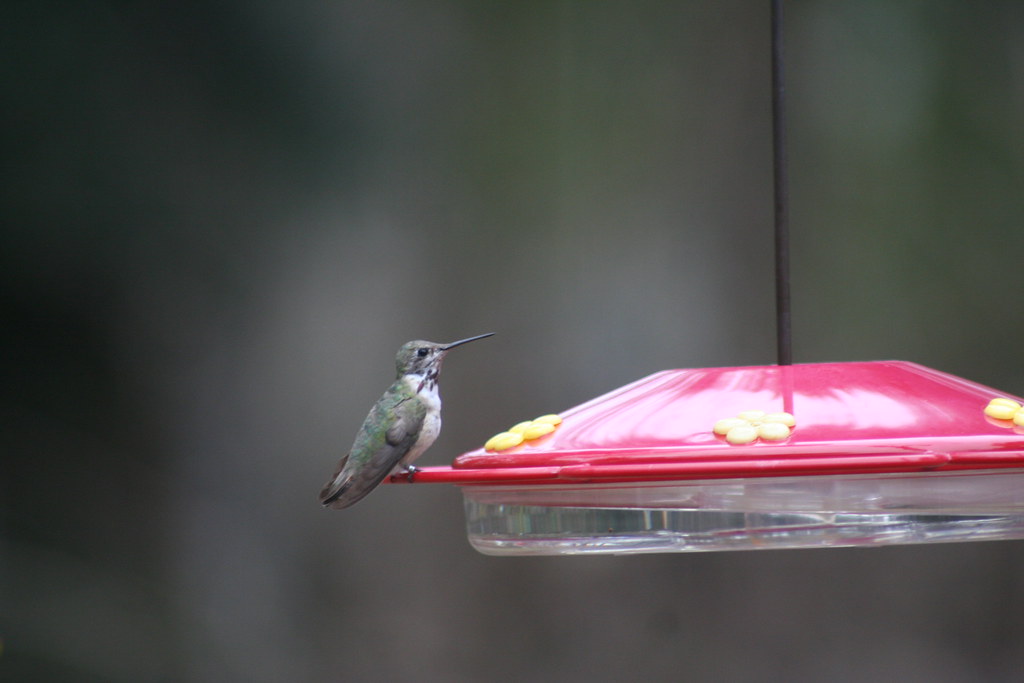
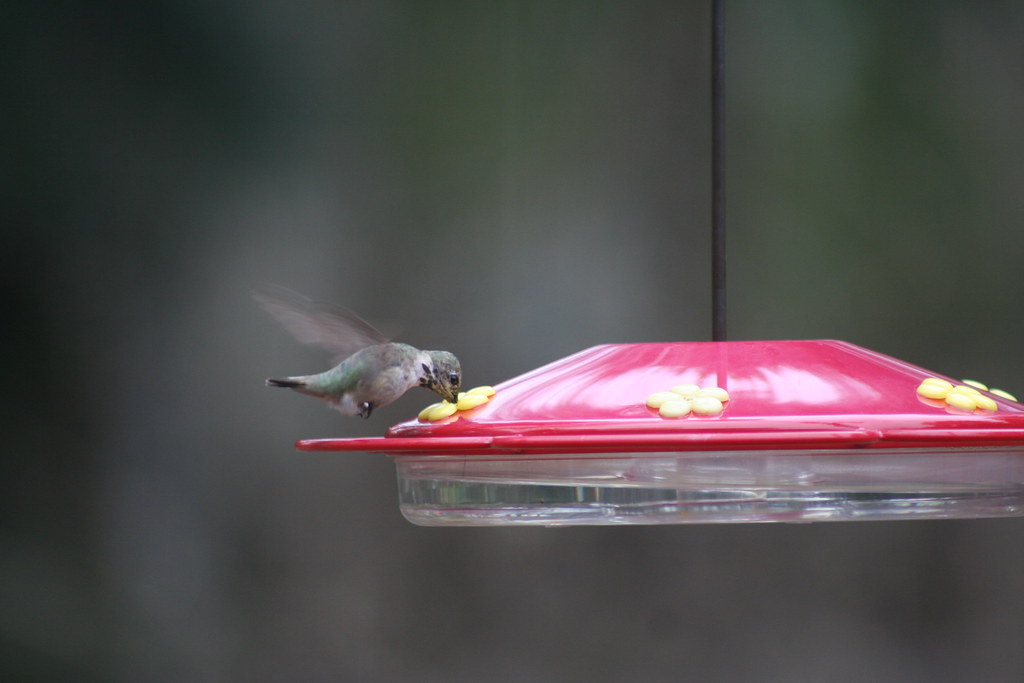
But sometimes, we get an even better prize- a Calliope Hummingbird. These tiny little midges are pretty common out West, breeding even up in the Rockies, so like kinglets they're pretty cold hardy. Recently an immature male was discovered when the homeowners realized that the wintering Ruby-throated was growing a pink gorget! They called Dwayne Martin, one of the local hummingbird banders, and banded the little guy and confirmed the ID. I was very lucky to be able to see it! The homeowners are excellent people and they had a great backyard. While we waited for the little bird, we watched the variety of birds arriving at their peanut feeder (including Red-bellied Woodpeckers, White-throated Sparrows, and Eastern Bluebirds. The last two species are very unlikely to eat peanuts, but they did!) and in the back, a herd of white-tailed deer browsed. But when the hummngbird arrived, it was a barrage of camera shutters snapping away. The homeowners said that the bird had became wary of the shutter sound after being banded, but apparently he got over it.

Here is the bird himself. A dapper little dude who took his birding paparazzi in stride. 

Due to the overcast day it was hard to get a good picture of his half-grown gorget, but I managed.

Notice the silver band and puffy legs. The feeder was made for the larger Ruby-throated Hummingbirds, who are about an inch or so larger. He was so short he had to hover to feed!

Monday, January 5, 2015

A New Year

As many other blogs are saying, and unless you live in a cave, you know it's a new year for birding! Keeping a year list is a good way to track the birds you've seen and keeps those common birds a bit more special than usual- at least until you see them! It also makes you realize which birds have eluded you and reminds you of the dips (oh, Western Tanager, how I wish you were on my 2014 or Life List) but in the end it's always fun to compare to others! Here are some highlights from my year:

Total Species seen in 2014: 250 (Counting Italian birds)

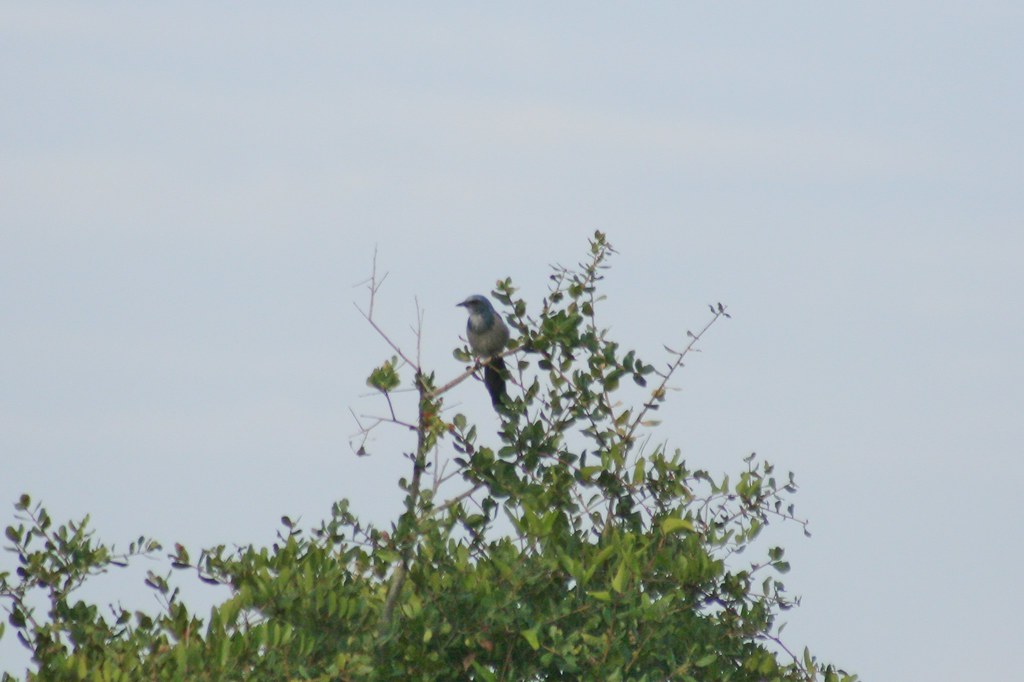
Rarest Bird Seen (Population Wise): Red-cockaded Woodpecker or Florida Scrub-Jay, whichever is considered more rare. Both were lifers.

Florida Scrub-Jay- Merritt Island NWR, Florida.
Red-cockaded Woodpecker- Weymouth Woods Nature Preserve, NC
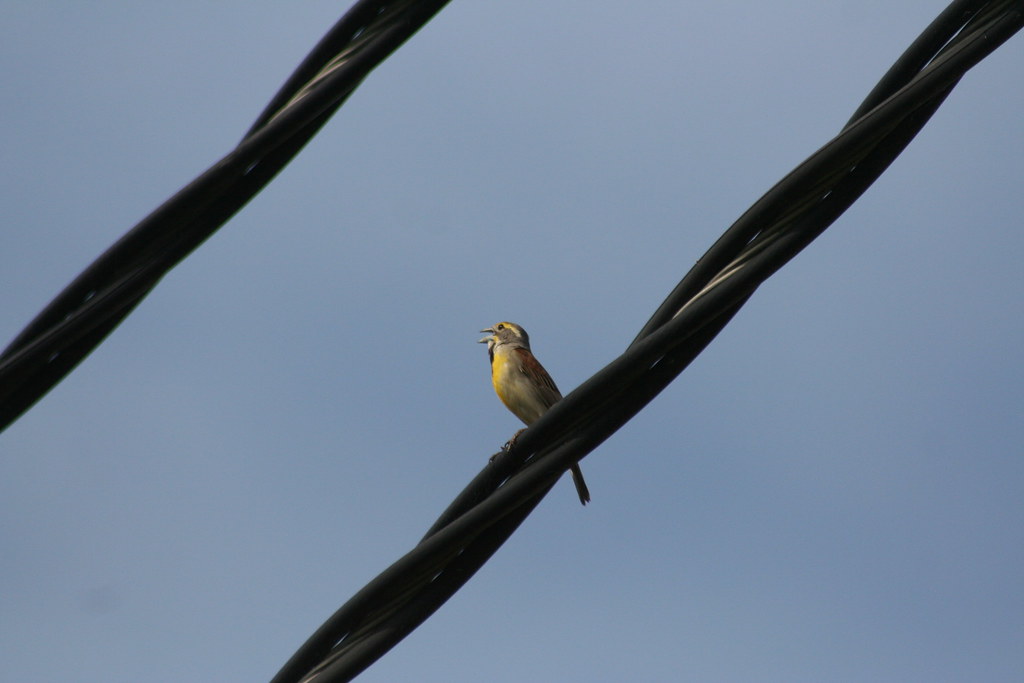
Rarest Bird (Locally): I didn't see any ABA rarities or megas, but I did see my fair share of uncommon birds around my part of North Carolina. White-winged Scoter, Red-necked Grebe, Dickcissel, and a late Kentucky Warbler (that I found!) were life birds and pretty uncommon around here. I also got to see a Baird's Sandpiper in South Carolina.

White-winged Scoters, badly digiscoped. Latta Plantation Nature Preserve, NC.
Red-necked Grebe- Concord Mills Wetland, NC.
Dickcissel- Union County, NC.

Total Life Birds Seen: 110 species were new to me last year. Mainly warblers, terns, shorebirds.

Best Hard-to-See Bird Seen: I think that would have to go to the Least Bitterns we saw at Montezuma NWR, New York, at the Young Birders Event. We counted 12 (!) flying around. This year my target skulkers will be Swainson's Warbler, Kentucky Warbler, and Bachman's Sparrow. Second place would be Kentucky Warbler.

Worst Rare Bird Not Found: Probably Ross's Goose or Western Tanager. For adult birders it's easy to hop in the car and drive to that easy-to-see rarity. But for a young birder with non-birder parents and sibling, it's HARD to convince them to drive anywhere to see a bird. So my two big misses were pretty disappointing.

For the goose, it was near the aforementioned Red-necked Grebe, so I was hoping to see both in the same day. I didn't have the exact address for it, so we were checking out ponds. We finally stopped at a large pond that seemed plausible, but I convinced myself it wasn't it. After finding the grebe and heading back home, it turns out it was the spot! But there are so many Ross's in NC right now I might have a second chance.

For the Western Tanager, it was reported two hours away, at Lake James State Park. I didn't have the exact address either so I didn't see it. Turns out we were on the wrong side of the lake. Oh well. I really wanted to see the WETO because it would be my last common tanager for North America (not counting Hepatic... a Hepatic in NC? Hah!) As of this post it's still continuing so hopefully I can try for a second chance.

Best Birding Trip/Adventure: Cornell Lab of Ornithology's Young Birders Event, hands down. Meeting other young birders, famed birders, and seeing some incredible birds was extremely fun. I highly recommend any young birders try for it- if I got in, you can too! Give it a shot!

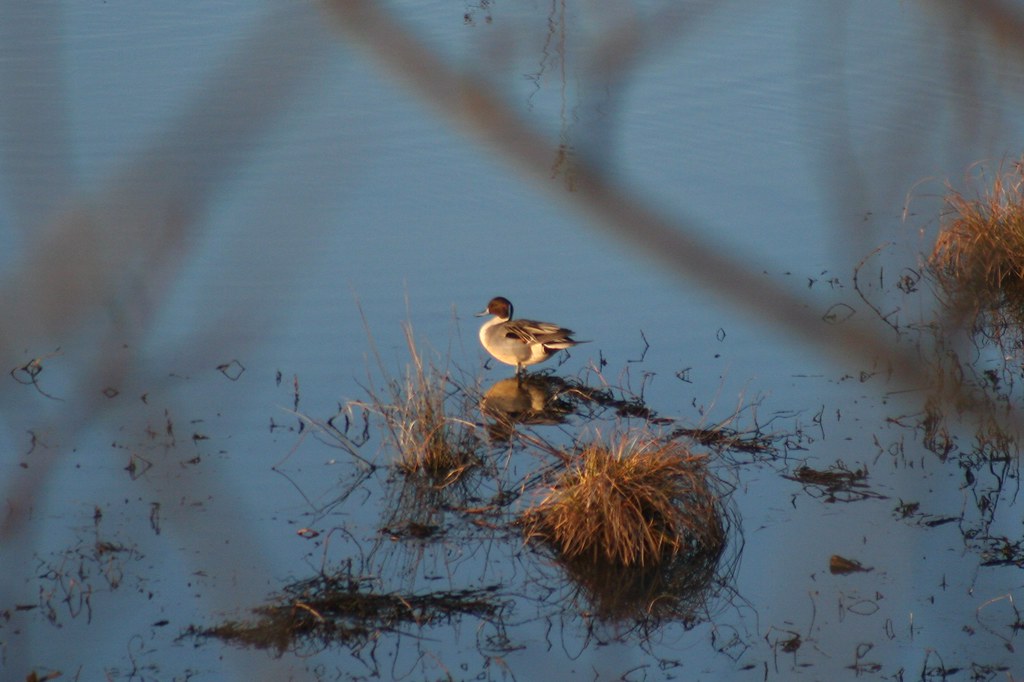
2015 List as of this Post: 42 species, most recent is Red-winged Blackbird. I still have yet to do a 'real' walk but checking out some spots for ducks is always good. I got a SSV* of a Northern Pintail male in the scope preening in the sunset light. This picture really doesn't do the beauty of these ducks.


Here you can see my 2014 list. Google Docs is super helpful when you're traveling!
Happy 2015!