Monday, May 25, 2015

The Sandhills

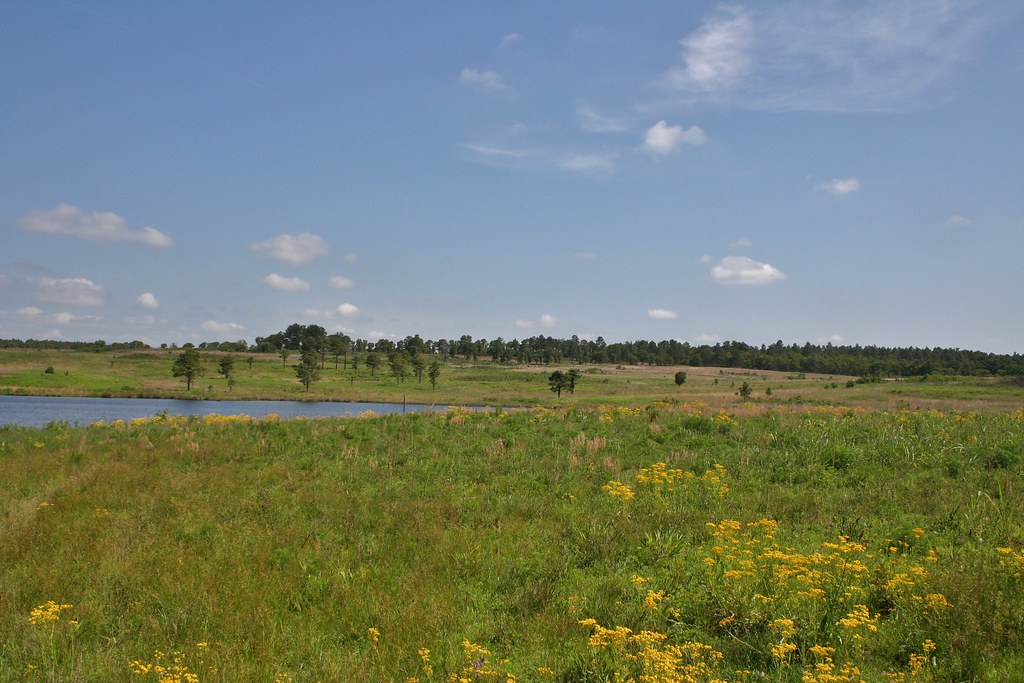
Ah, the Sandhills! Once a lot more common than it is today, this unique habitat used to stretch from southern Virginia all the way to east Texas! Dominated by Longleaf Pines, it depends on fires to keep the undergrowth low. Many birders know it as the place of Red-cockaded Woodpeckers, Bachman's Sparrows, Pine Warblers, Brown-headed Nuthatches, and Prairie Warblers. Besides a lot of bird life, other non-avians flourish here, including  insects and carnivorous plants!


Carolina Sandhills NWR is a great spot for both birds and other fauna. The burned prairies, like the one above, make amazing habitat for chats, Orchard Orioles, yellowthroats, bobwhite, kingbirds, deer, rabbits, and countless numbers of plants! It's definitely a landscape you wouldn't expect to see in South Carolina.

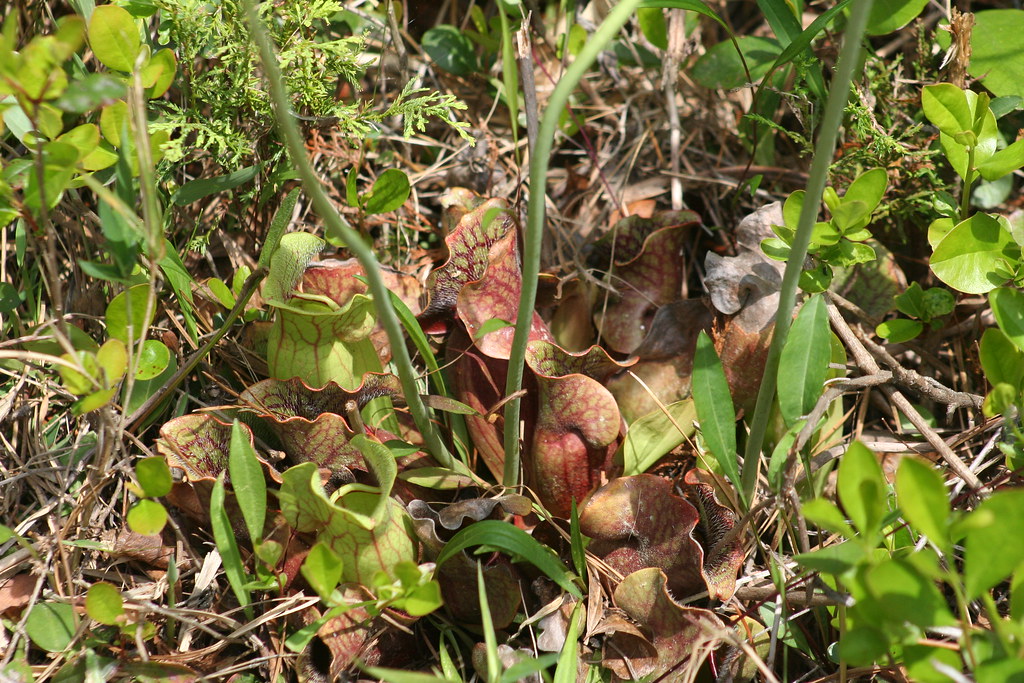
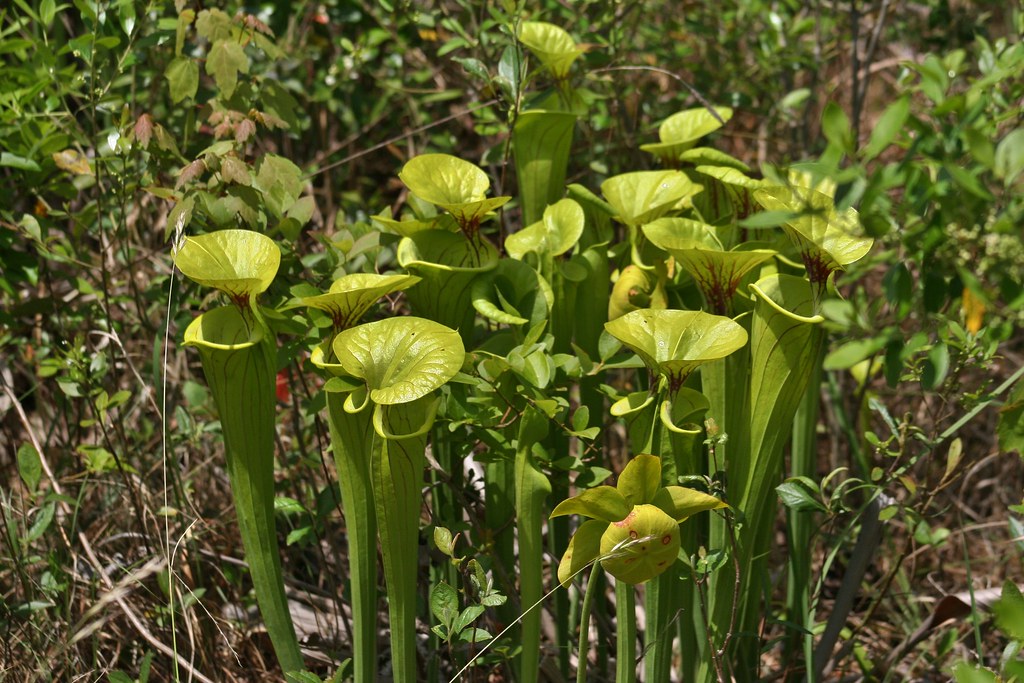
Yellow Pitcher Plant
Due to the poor, sandy soil, pitcher plants thrive here, gaining their nutrients from flies and other insects that fall into their pitchers. They also have interesting flowers.

Yellow Pitcher Plant Flower
Purple Pitcher Plant
Purple Pitcher Plant Flower
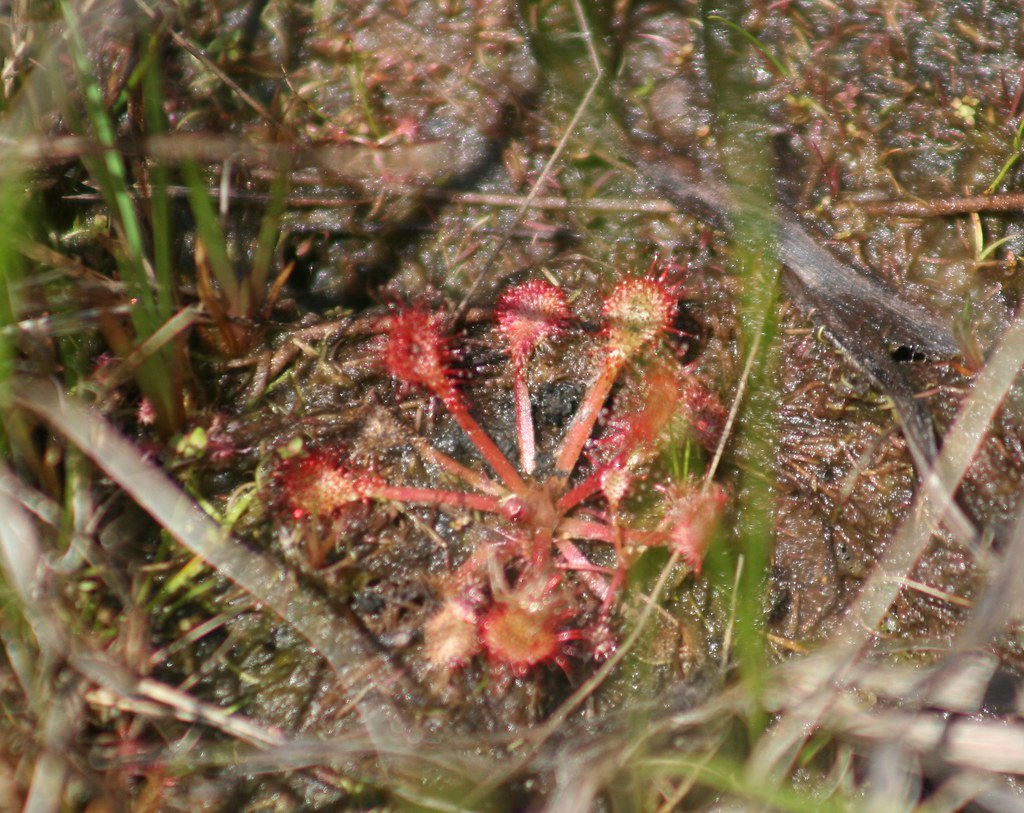
Sundew
Thanks to Will Stuart, our local plant expert (who happened to be at the refuge the same time as us), he found us those carnivorous plants plus a few extra goodies!

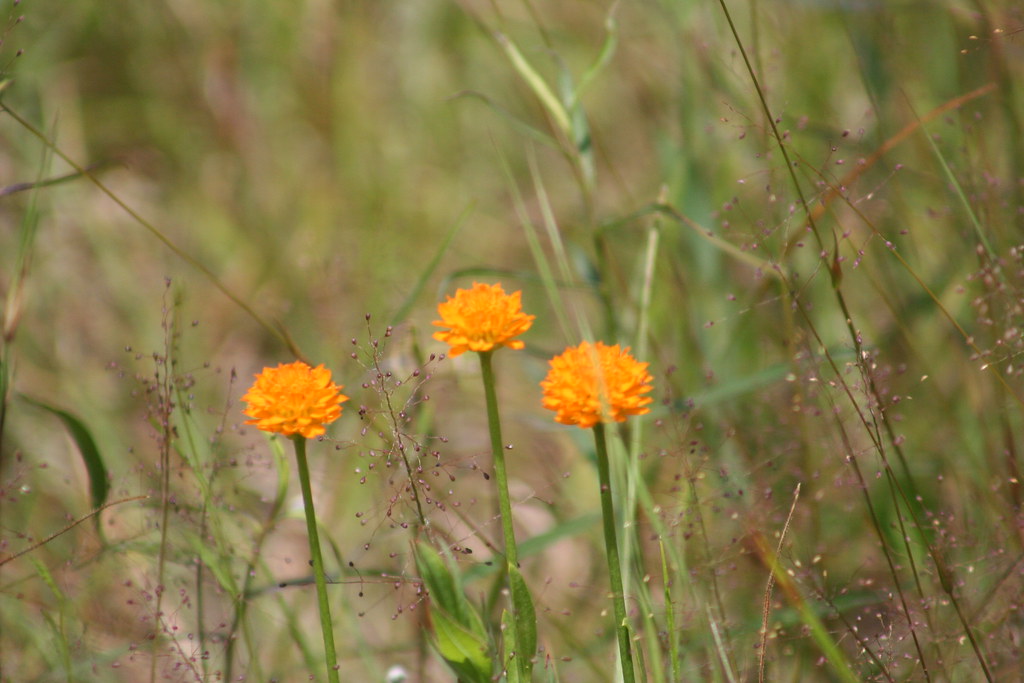
Orange Milkwort with Purple Love Grass
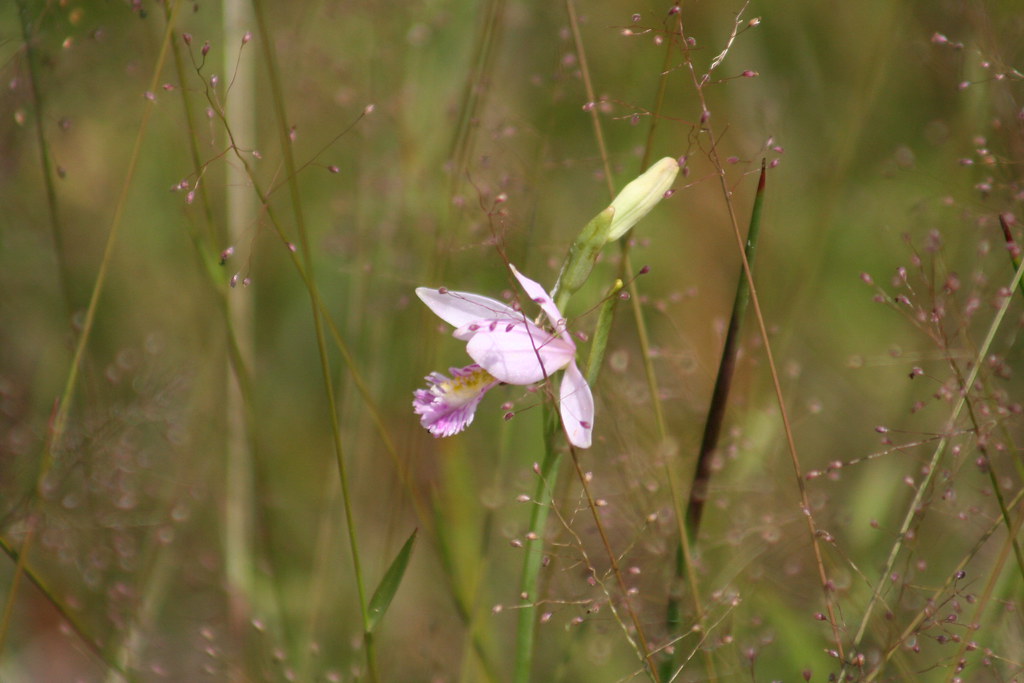
Snakemouth Orchid w/ Purple Love Grass
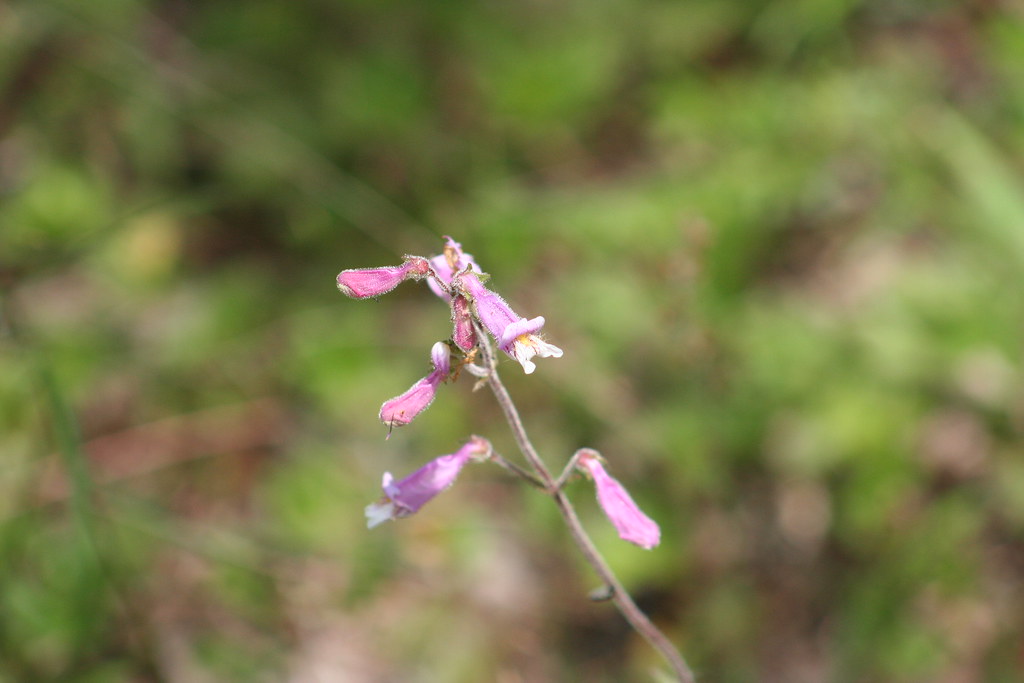
Hairy Beardtongue
Palamedes Swallowtail nectaring on Clasping Milkeweed

Alright, this is a bird blog, not a plant blog, so let's get to the birds.

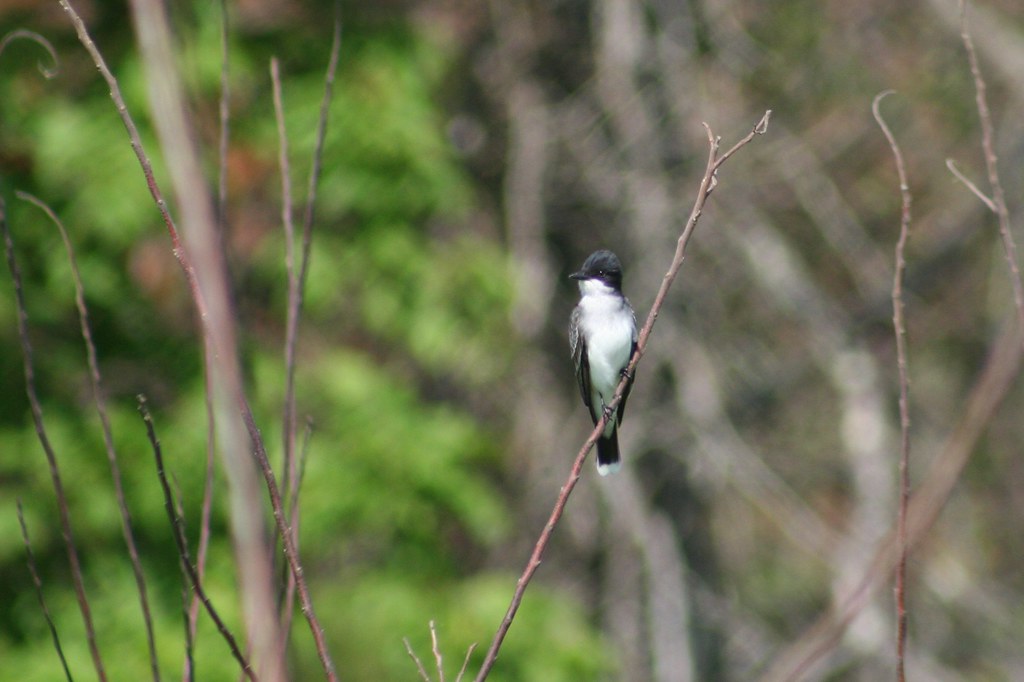
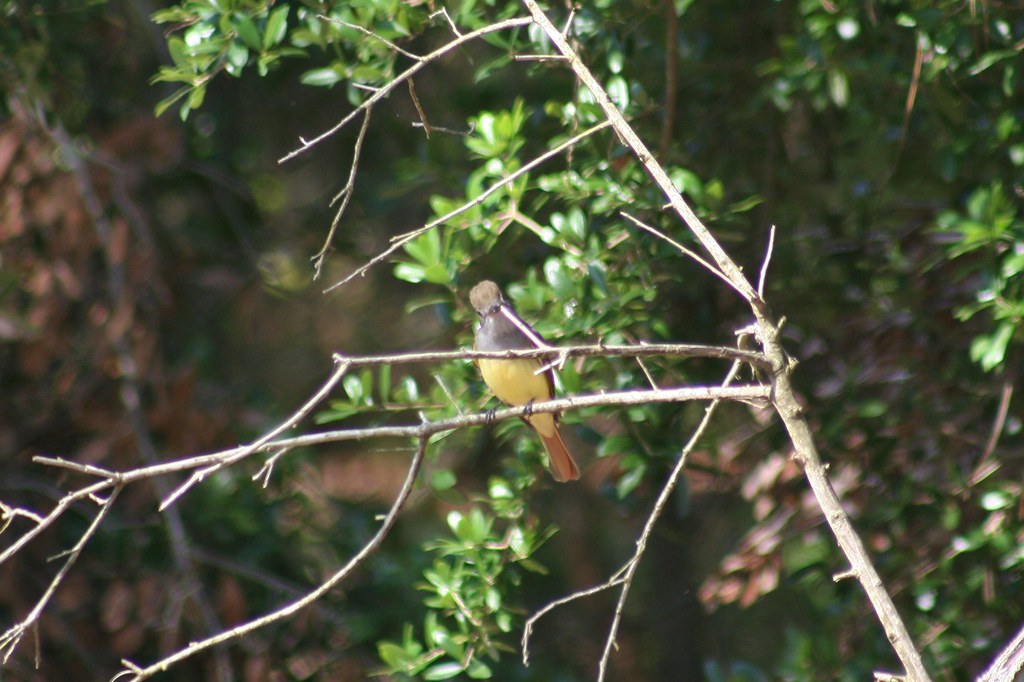
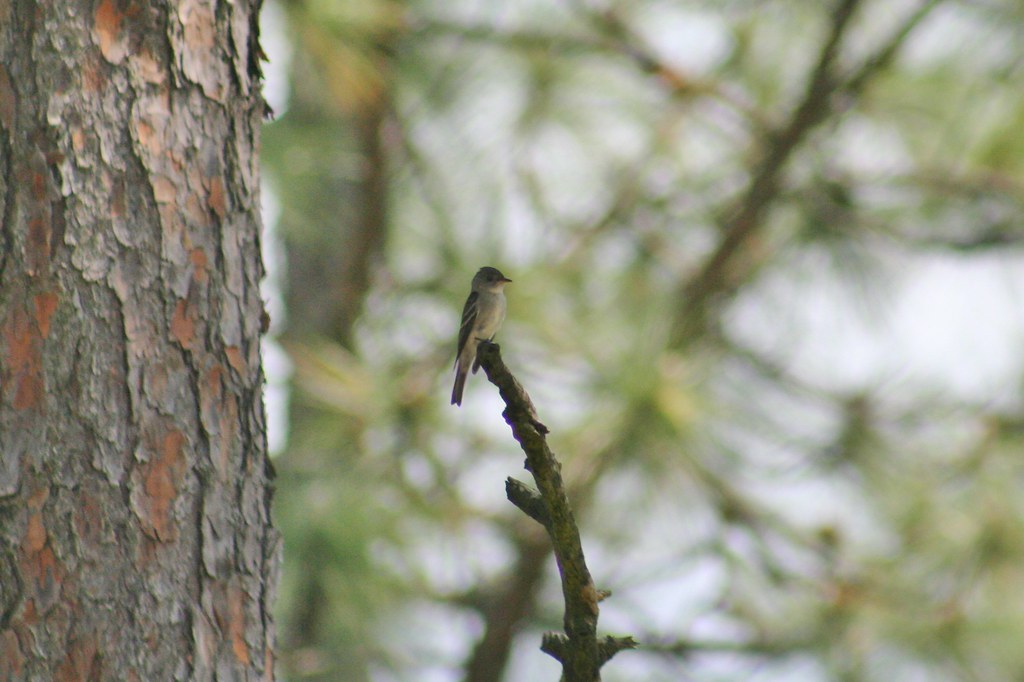
It was super full of flycatchers!

Eastern Kingbird

Great Crested Flycatcher
LOTS of pewees!

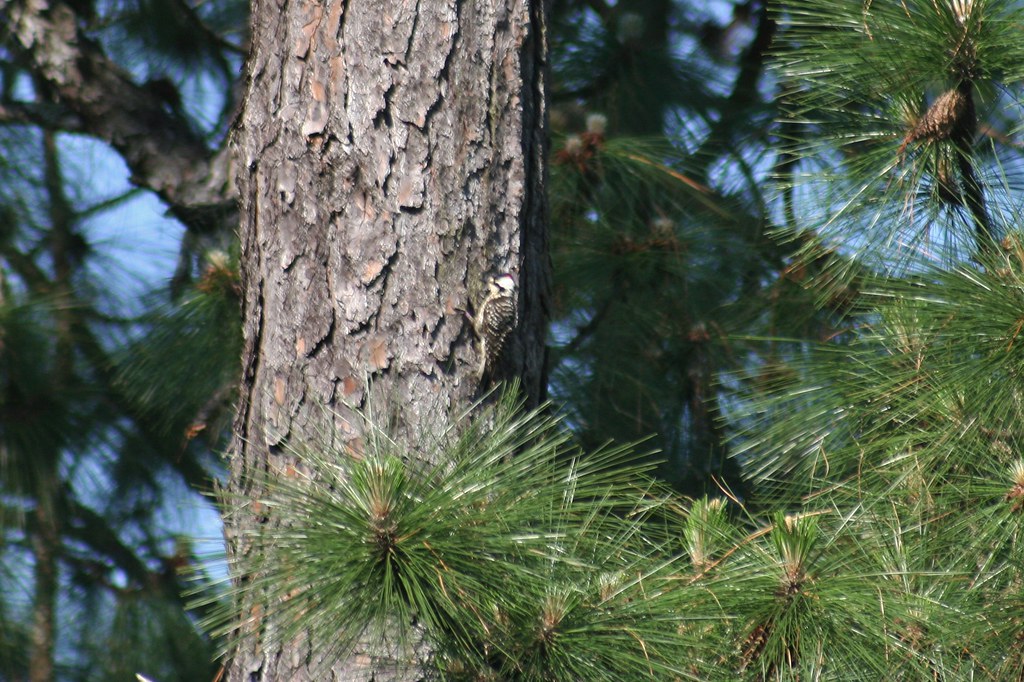
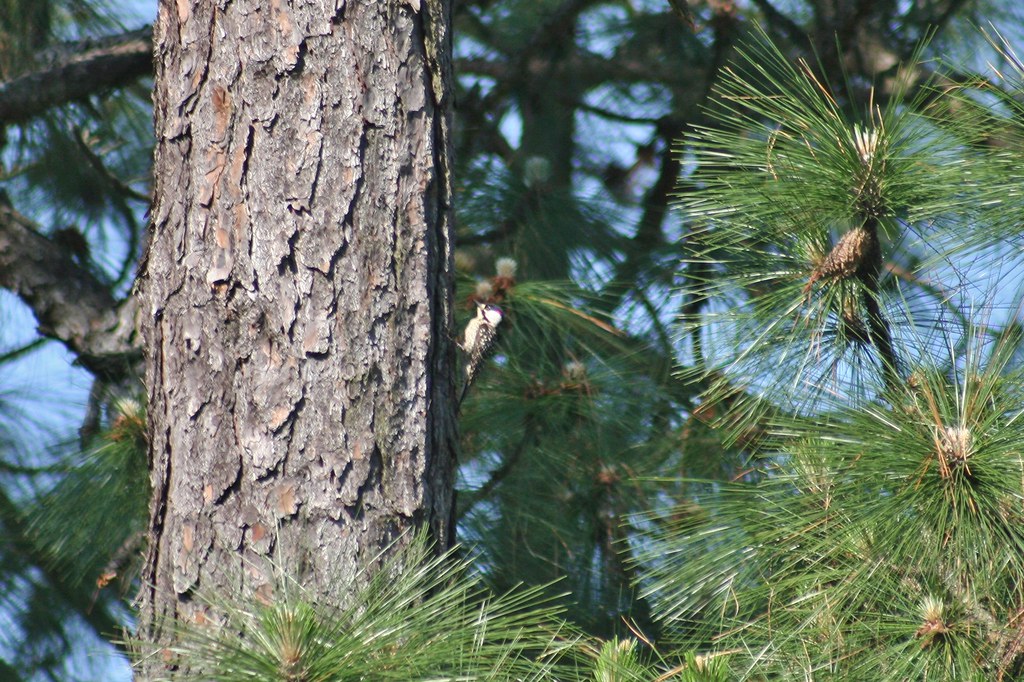
Of course we saw Red-cockaded Woodpeckers! Bad quality, but I got pictures of a cockade!


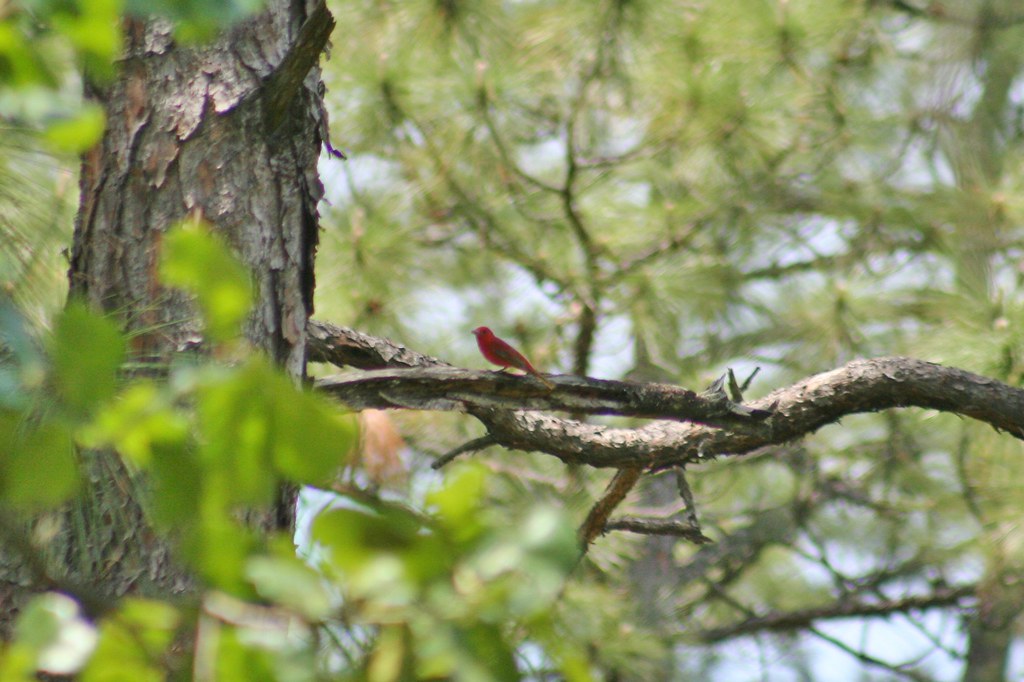
We also saw a lot of Summer Tanagers, including a male and his mate...


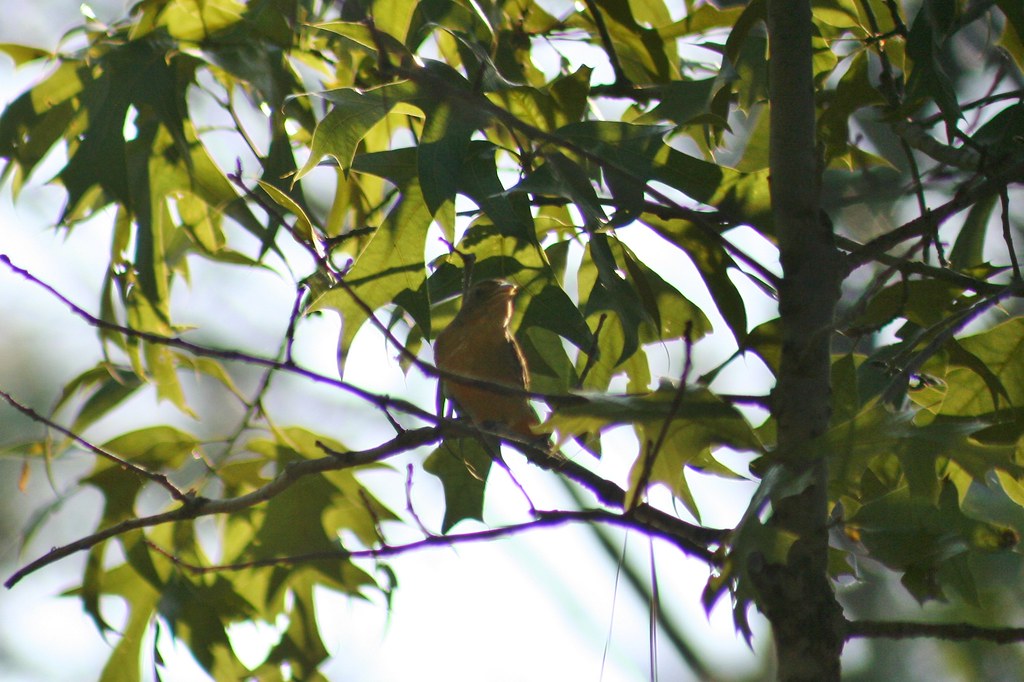
...and an unusual male, probably in his second year. He had olive/yellow primaries and retrices.


All of these birds are good, but the crown jewel was...


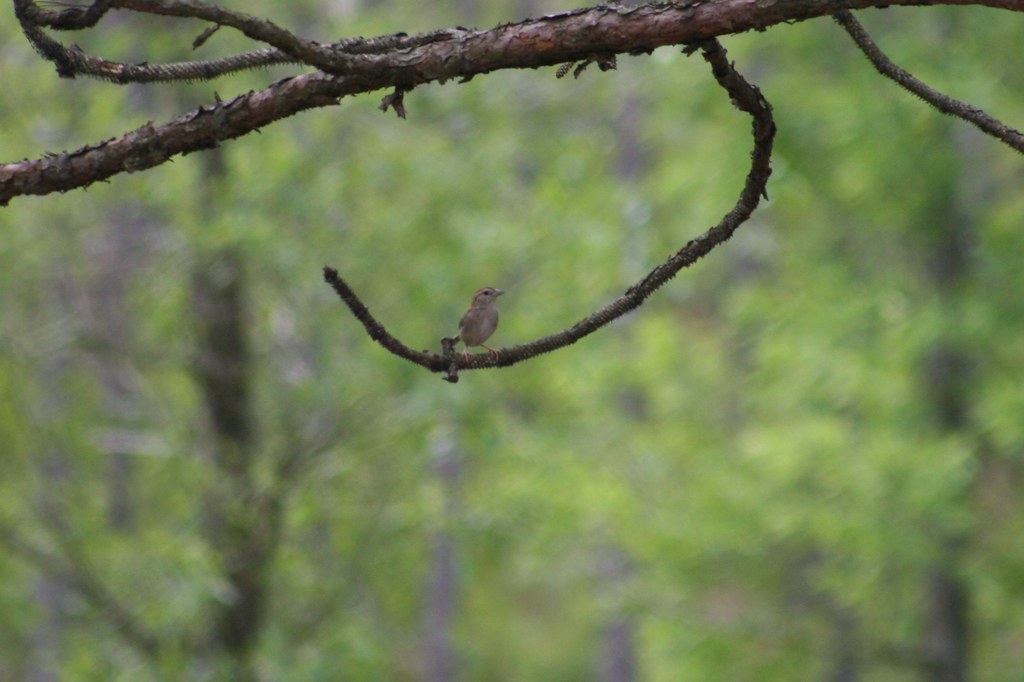
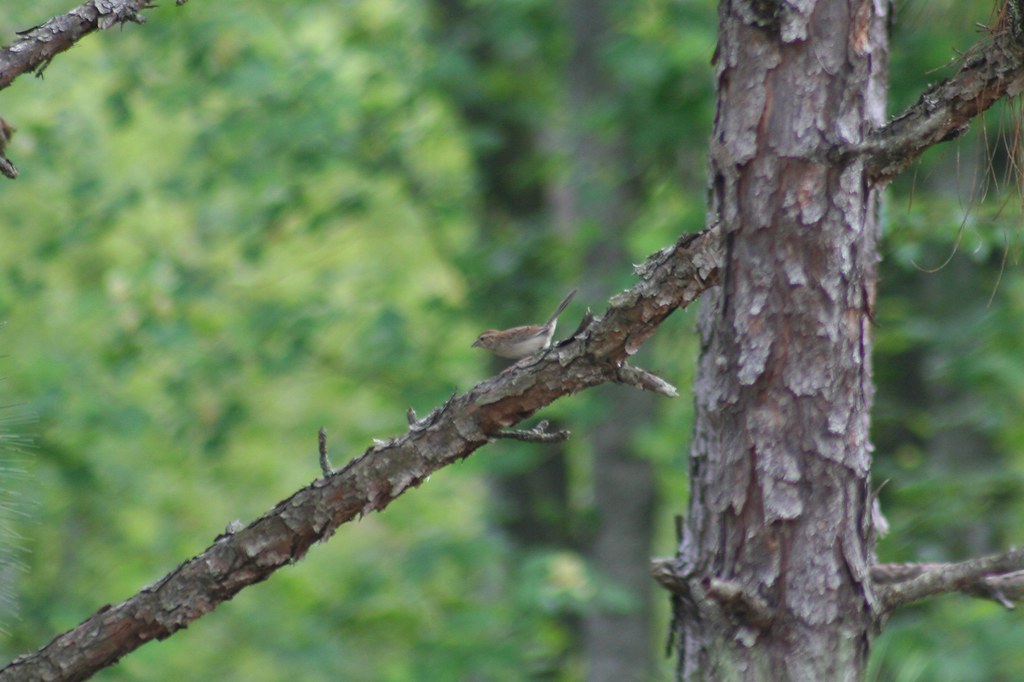
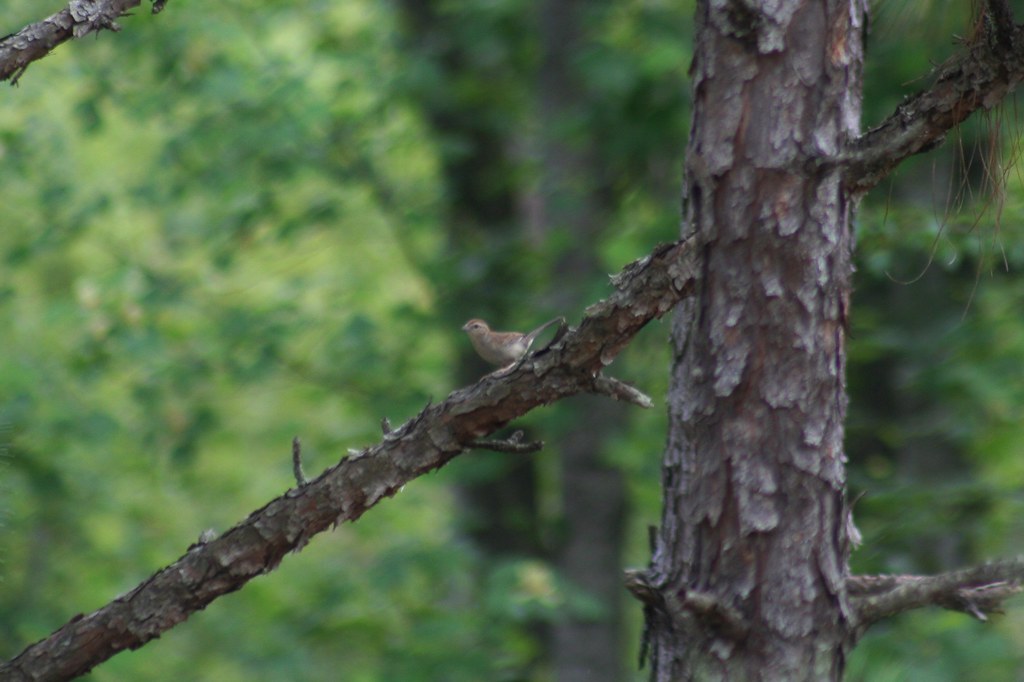
BACHMAN'S SPARROW!


This bird gave us very good views, despite the quality of the pictures. It was a lifer bird for both Matt and I and now currently one of my favorite birds! You can listen to a recording here: http://www.xeno-canto.org/243607

It was a great experience and increased my love for the Sandhills- there's nothing else quite like it!

Friday, May 8, 2015

The Ballad of the Catbird

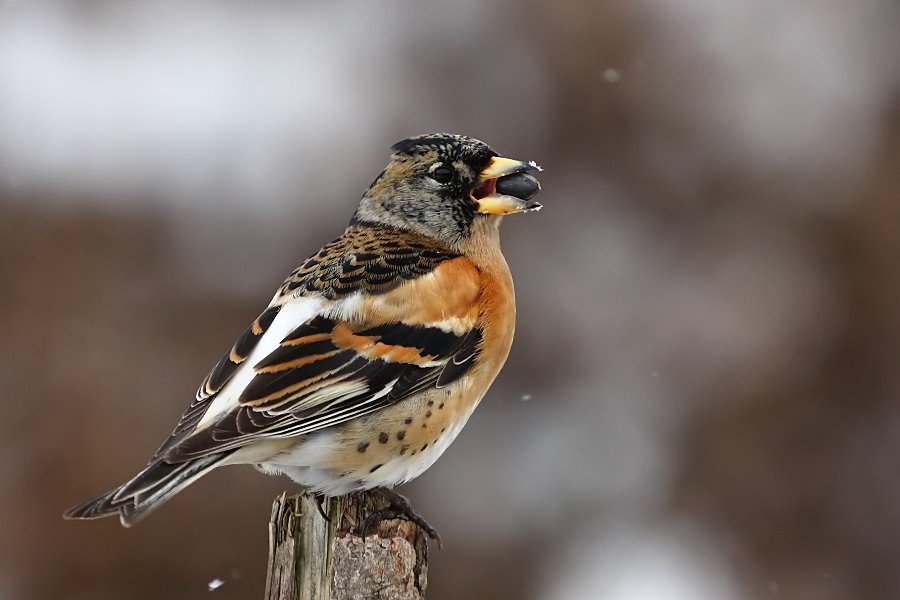
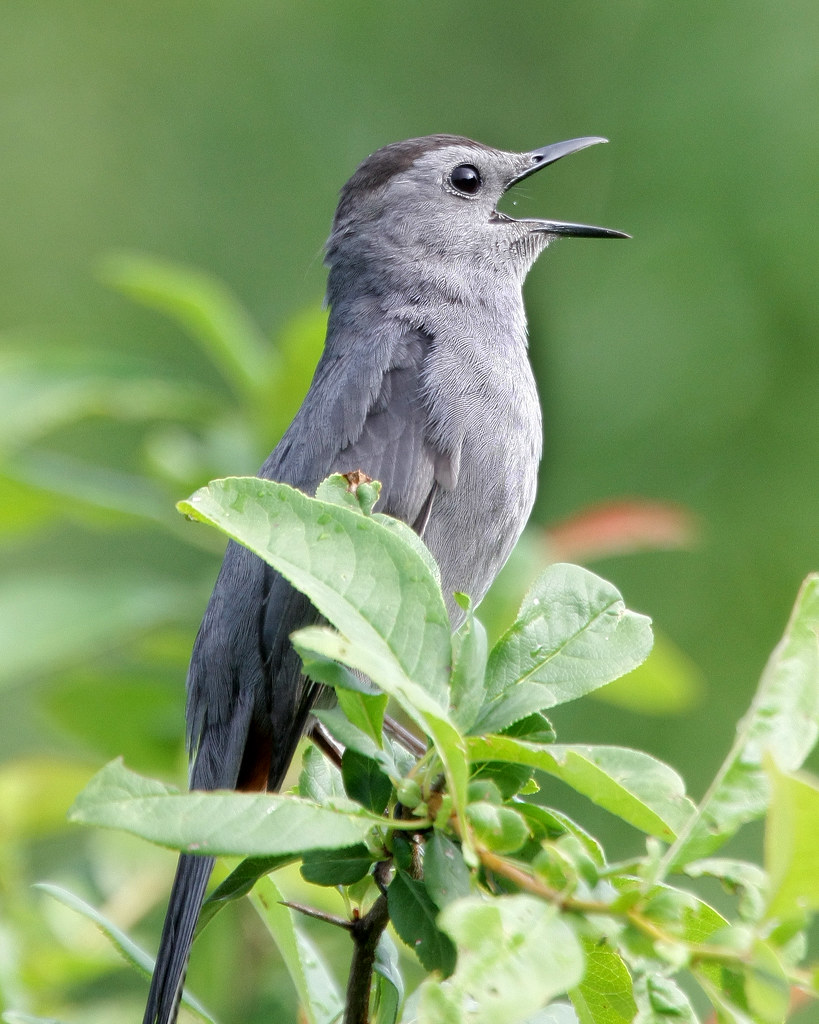
I am in a Creative Writing class in which we have to write poetry... including ballads. A ballad is a poem in quatrain format, with an alternating rhyme scheme, that is supposed to tell a story. Here is the story of the catbird.

There once was a bird, dapper and gray
With a rump of russet, a cap of coal
And he meow’d constantly, every single day
Then one day the sun rose, he thought of a goal


His life was too boring, too lame, too bland
He became restless and soft
He decided to set off and find a new land
So with a flick of his wings he took off!

It was blistering and dry
The canyon echoed his meow!
The sun was so hot he could hardly fly.
He found a curious creature, and said ciao

It was named a quetzal
A brilliant green,
He insisted his name was Paul
And long did he preen.


The catbird thought how pretty Paul was
How could he hope to contend?
But he didn’t care, ‘cause
Paul was his new best friend!

The catbird left the canyons in search of some food
He left the desert sands for some berries
He met some waxwings who lightened the mood
And soon the catbird was merry

See also here.

After his night of drunken fruit
He left for the west
Where he found a bird who was off route
The bird said, in an accent, “I wish I had never left my nest!”


The bird, it explained, was a finch
It had been blown away from its home in a storm
He said that his home was over the ocean, a thought that made him flinch
He was hoping to get home before it got too warm

The catbird was curious of this cold-weather wonder
And asked if he could fly back home.
The little bird answered “I’m afraid of the thunder,”
“I will end up as part of the loam”

The catbird bid the finch farewell
Since he had places to go.
The catbird couldn’t dwell
Or else there would be snow.

South the catbird went, to tropical shores
He ended up on an isle
Where the ocean roars
And the humans smile.

The catbird had seen humans before
But never ones like this
These humans were watching him, for
A reason he missed.


These peculiar people roamed in packs
And pointed out every bird
The catbird watched these atypical acts
And didn’t utter a word.

The catbird heard a familiar mew
On this tropical patch
He sang his song- “I love you!”
And he found a lady catbird, his match!


The couple of catbirds left their tropical paradise behind
To find a place to settle down
With a perfect nest in mind
They settled near a human town

The first egg was laid, smooth and blue
Soon there was two, then three, then four
All an azure hue
In the bushes by a front door


The catbird was now happy with his life
He had soon-to-be young
And a great catbird wife
Meea! He happily sung!

Credit for pictures, in order:
"Grey Catbird" by Wolfgang Wander - self-made / http://www.pbase.com/wwcsig/image/44482560. Licensed under CC BY-SA 3.0 via Wikimedia Commons - http://commons.wikimedia.org/wiki/File:Grey_Catbird.jpg#/media/File:Grey_Catbird.jpg
"Eared Quetzal (Euptilotis neoxenus)" by Dominic Sherony - Flickr: Eared Quetzal (Euptilotis neoxenus). Licensed under CC BY-SA 2.0 via Wikimedia Commons - http://commons.wikimedia.org/wiki/File:Eared_Quetzal_(Euptilotis_neoxenus).jpg#/media/File:Eared_Quetzal_(Euptilotis_neoxenus).jpg
"Fringilla montifringilla -Poland -male-8" by mmlolek - JerUploaded by Snowmanradio. Licensed under CC BY 2.0 via Wikimedia Commons - http://commons.wikimedia.org/wiki/File:Fringilla_montifringilla_-Poland_-male-8.jpg#/media/File:Fringilla_montifringilla_-Poland_-male-8.jpg
By Daniel Schwen (Own work) [CC BY-SA 4.0 (http://creativecommons.org/licenses/by-sa/4.0)], via Wikimedia Commons
"Another catbird" by John Benson. Link to his Flickr page here. The actual link to the photo here.
By Dennis Murphy from USA (DSCN4834  Uploaded by Snowmanradio) [CC BY 2.0 (http://creativecommons.org/licenses/by/2.0)], via Wikimedia Commons
Monday, April 20, 2015

Migration!

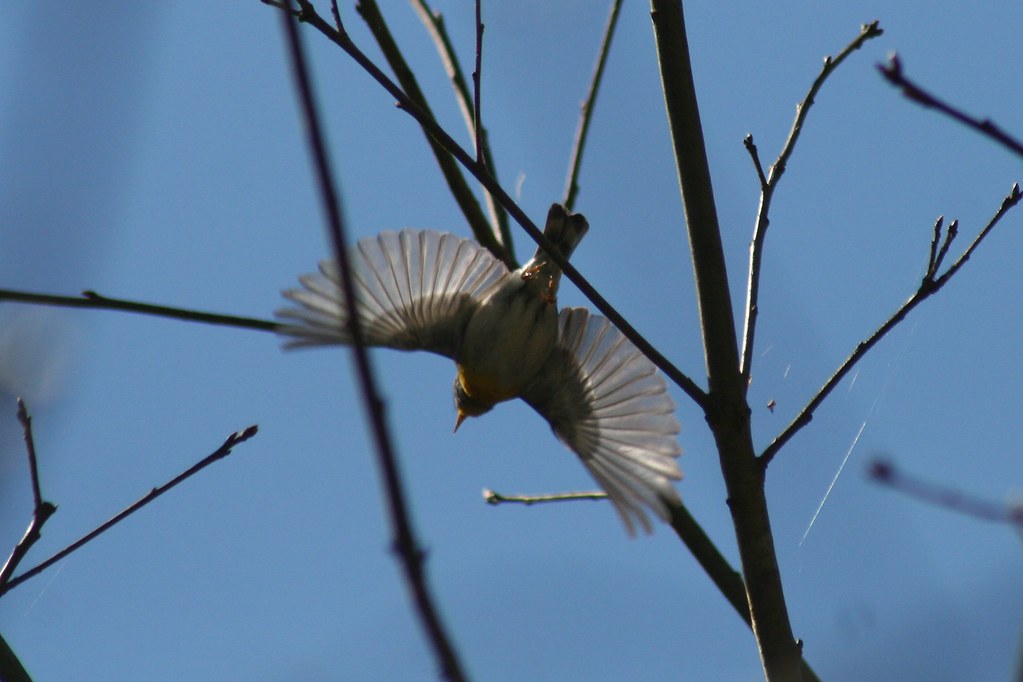
Okay, so the photos in this post aren't the best, but I'm still really excited about the migrants!

Watching these weather maps, it really gets me excited to see the masses of little blue blips flare along the Gulf Coast and the southern tip of Florida. Thousands of tiny birds are racing their way north, trying to reach their breeding grounds before their rivals. These feathered jewels brighten the forests with their color and song, and as I've ranted, us the winter-weary birders are eager to greet them.

Except, I need to go greet them.

I started Driver's Ed for a few weeks, which means basically I'm stuck at school for another two and a half hours. Which means no more after-school walks. Ugh.

But here are a few migrants I've been seeing, despite the fact I haven't been able to bird as much as I want.

First, let's start things off from the beach. If you remember the Painted Bunting, while I was in Myrtle Beach I saw a few migrants, including Eastern Kingbird and Chimney Swifts.

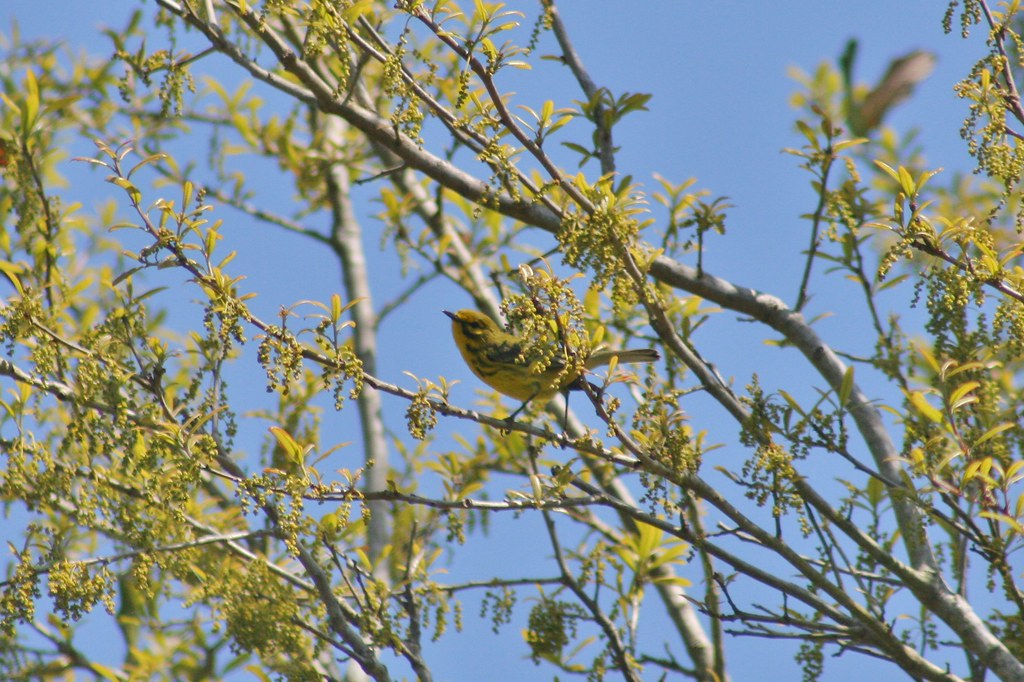
Prairie Warbler
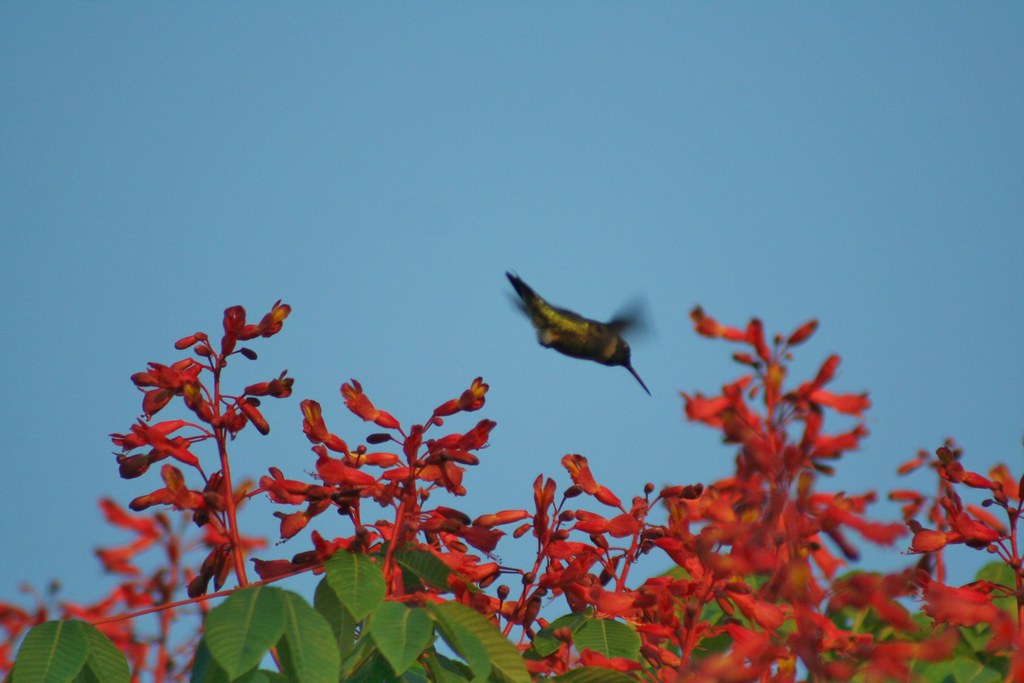
I also saw a cooperative female Prairie Warbler and quite a few Ruby-throated Hummingbird males.

Ruby-throated Hummingbird at Red Buckeye
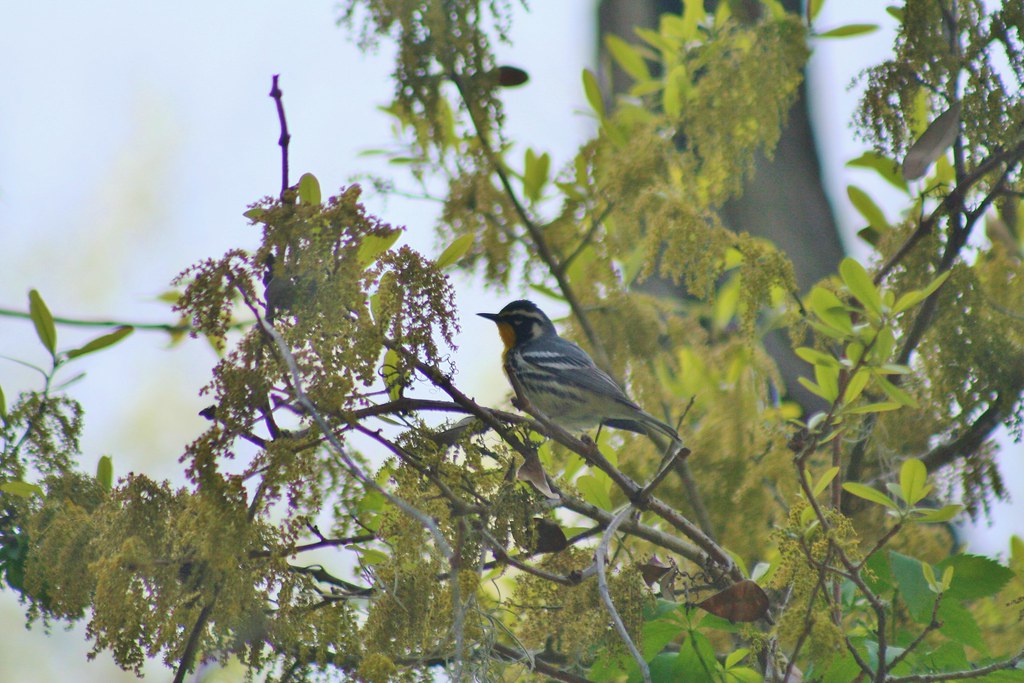
I also saw a few Yellow-throated Warblers as well.

Yellow-throated Warbler (Yellow lored)
Back at the patch, I found a few boisterous White-eyed Vireos, who basically yelled their explosive song from the cover of privet.


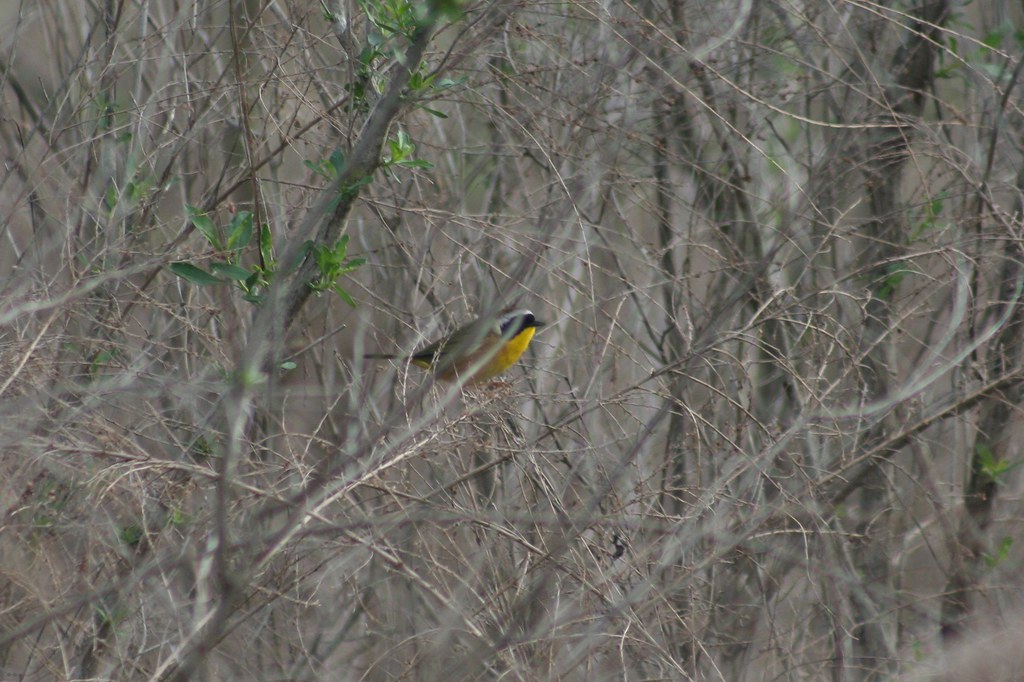
A few Common Yellowthroats returned, but they were skulkier than usual.

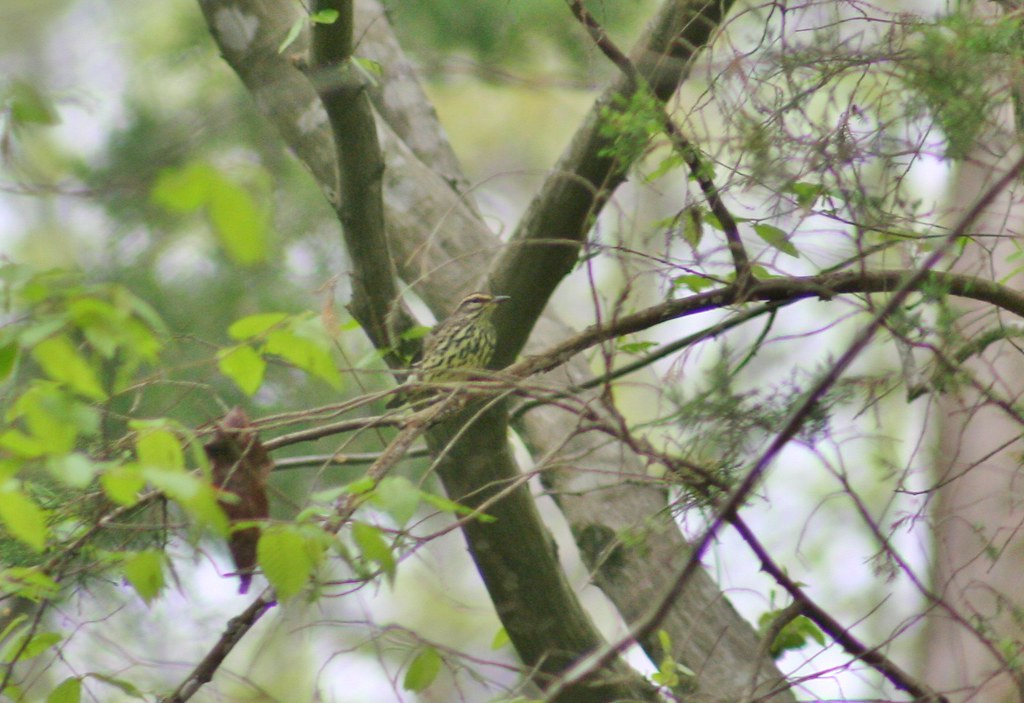
And last but not least, a new bird for me- my lifer Northern Waterthrush! I always love getting lifers at my patch!

I've also been hearing Hooded Warblers and Northern Parulas at the patch too!

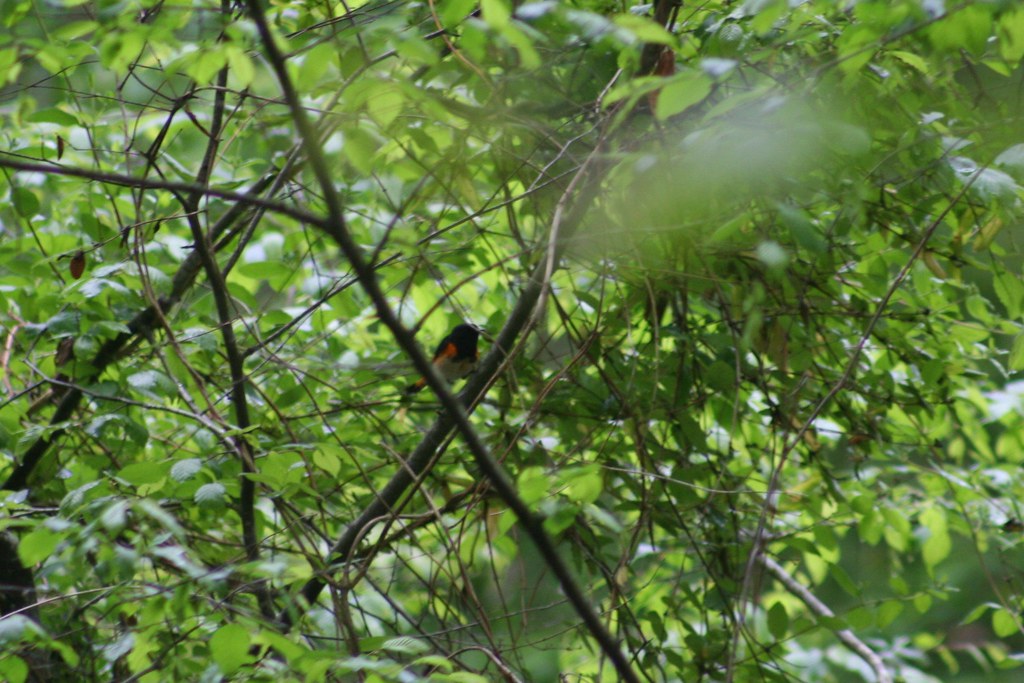
And most recently, yesterday was another trip to Pee Dee, this time with a few other members of the CYBC. We heard a TON of migrants, but only saw a scant few-like these Prothonotary Warblers and American Redstart.


Next Saturday I'm going to be helping out with the Spring Count, which is basically the Christmas Bird Count, but in spring! Hopefully we'll see more than hear!

Thursday, April 9, 2015

Conquering a Nemesis

Nemesis Bird: a bird you have tried to see/observe multiple times without success. This bird may be common locally, or a recurring rarity, but every time you try for it, you fail to see it.

Note: I'm currently in Myrtle Beach, SC, and this all happened at Huntington Beach SP's feeders.

"HE'S HERE!"

The older couple paused, binoculars in hand, eagerly scanning the scrub. I strained to spot any motion, any indication that he hadn't flown off.

Conditioned by the cardinals at the feeder, I figured that this splash of red was nothing more. But wait- was that blue? An azure head contrasted the red, and my heart skipped a beat.

"I JUST SAW HIM, HE WAS BEHIND THAT OAK!" I sputtered, hoping they would believe me. Of course, he did not show himself. It wasn't enough. Some birders might count it, I guess. But this bird was special. I couldn't count it and leave it at that. I also eagerly wanted to show it to these people. But alas, it seemed to have flushed.

People came and went, and I asked almost every single one if they were looking for him too. Most stayed for a minute or two; a few hung around longer. But I waited. And waited. I watched the Red-winged Blackbirds attack the feeders in small gangs. I watched the bossy female cardinals squabble. I watched the egrets fly past in the distant marsh. I waited for the bird to come.

There.

In the tree sat a red bird. A glance- just another cardinal. Hold on, it was too small. There isn't enough red. Wait, is it him?

He perched somewhat conspicuously- to the casual observer, he was just another redbird. But I wasn't a casual observer, and I knew what I was looking at.

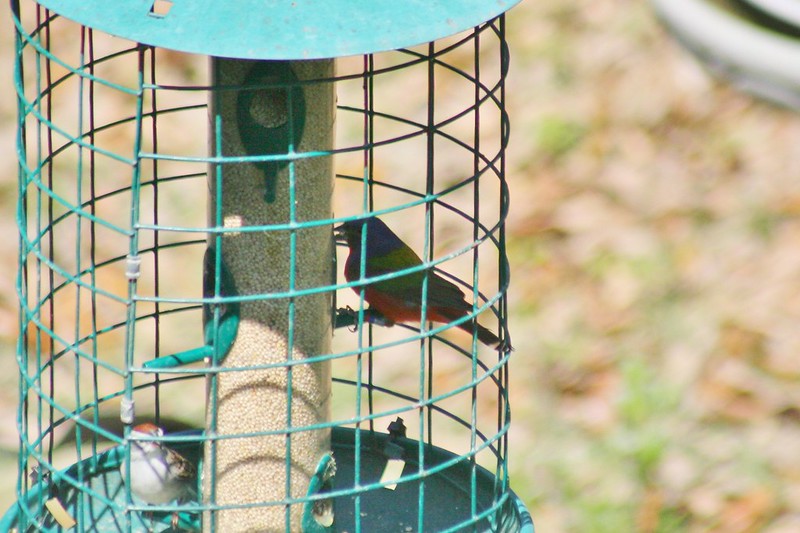
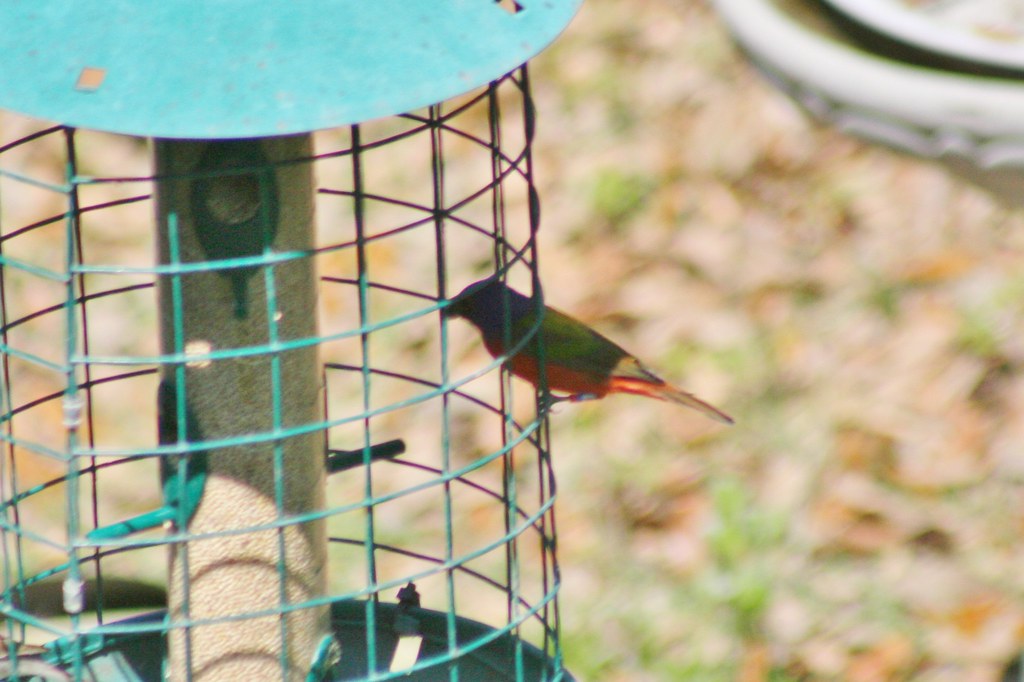
He made the handsome Chipping Sparrows, crisp with their neat little rusty caps and sharp eyeliner, suddenly turn into little LBJs. He dulled the scarlet of the many Northern Cardinals that surrounded him. With a flick of his verdant wings, he landed on the caged feeder, in full view.

"Whoa, whoa! Hey, come look at this!" I shouted to a random passerby. They probably thought I was crazy, but the girl with a camera, binoculars, and scope was a curious sight to begin with- seeing her get excited over something was special. I pointed it out to them. "That's the most beautiful bird in North America. Look through the scope!" (I had the scope preset on the feeders.)

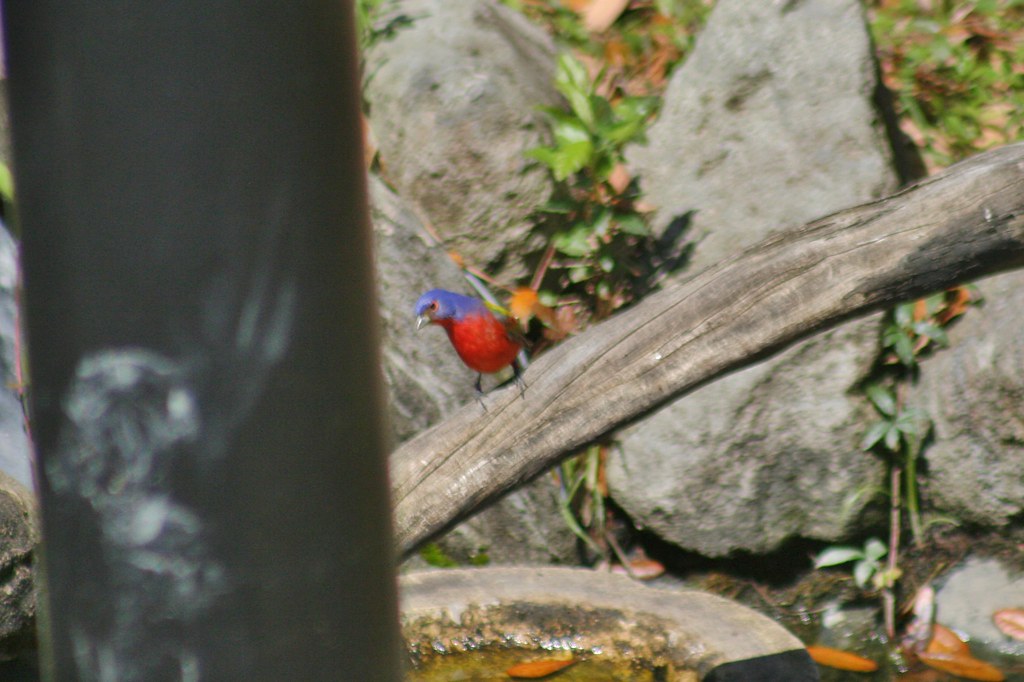
You probably have guessed what this bird is. Arguably the most colorful bird on the East Coast, and maybe in all of North America, the Painted Bunting.


I swear, even these terrible photos bright up a room... how can you pack such a punch of color onto a five-inch bird?

If you haven't heard my tale of my nemesis, the Painted Bunting, I'll try to keep it short. I visit coastal SC and Florida almost every single year. And I've gone to Arkansas in mid-April, when they should be there. But did I see one? No, of course not. It isn't my nemesis for nothing.

I'll be honest. I did not feel a rush of adrenaline or excitement when I saw the bird; I felt pretty relaxed and my reaction was more of a mix of "About time" and "Neat. Cool bird." I kind of wished it did leave a good impression on me, like Hooded Warblers do, but it didn't. I hardly ever saw his green back and when he perched to feed, he sat in the shade. (Of course.)

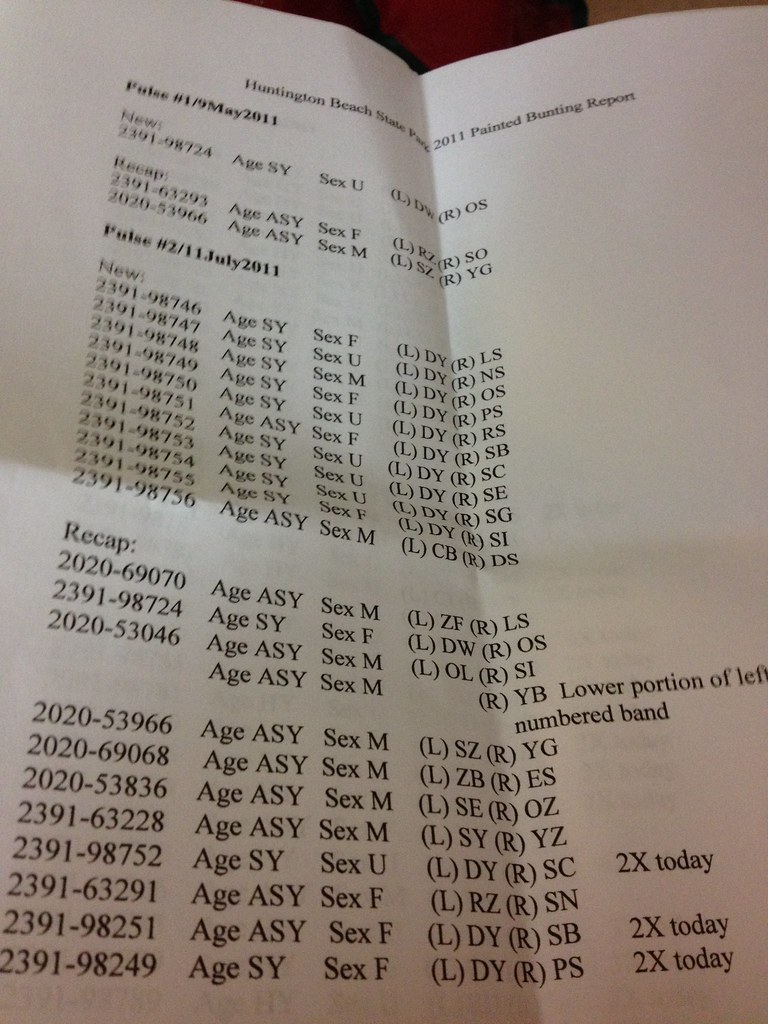
One thing about him that I liked was that he was banded, and I love banded birds. I went inside the nature center and told them I had seen the bands on his legs. (In the picture above you may be able to see a purplish/pinkish band). They gave me a few sheets of paper with the info of the Painted Buntings banded there at Huntington Beach State Park.

One of three pages. From left to right- ID # for the individual; it's on their silver (S) band, Age (SY= Second Year, ASY= After Second Year; aka adult), sex (U means unidentified) and bands (L= left leg, R= right. Too lazy to post all the color codes.)
I have yet to match this guy to one of these, but I do think he was banded here. According to the Painted Bunting Observer Team, one of his bands appears to be a blue/pink split band, meaning he was banded in South Carolina.

http://www.paintedbuntings.org/faq

Back to the bird. He sat at the millet feeder, perched like a king at the topmost perch. A few other birders and bird watchers came by and photographed him, but he was flighty. He bounded back into the myrtles, patiently waiting for the traffic to die down, but it still made him nervous. Eventually I watched him fly off behind the nature center, and that was the last glimpse I saw of the bird.

I hope to have more, better encounters with this species. It wasn't really soul-satisfying in the way when I see a Northern Pintail in the scope or hear the hauntingly beautiful song of a Hermit Thrush. This particular individual wasn't as confiding, but I'm hoping in the future he's a bit more cooperative!

Sunday, March 29, 2015

Congaree Scouting Trip

Today's trip was to Congaree National Park, a huge park with excellent boardwalks in a virgin bottomland forest. This park boasts some of the largest trees of some species, including Loblolly Pine and Sweetgum. It's an excellent place for birds and it's always a fun trip.

First off.

SO. MANY. PARULAS.

Last night there was a cold spell that caused some frost to form up here by Charlotte, so that halted all migrants. I guess it was like a mini-fallout because there were at least 50+ parulas swarming and buzzing their heads off throughout the park.

We found a small flock of them in a scrubby, but leafy (budding) area, which was full of sun. We had many close encounters with this flock of around 10, with quite a few coming within feet of us.

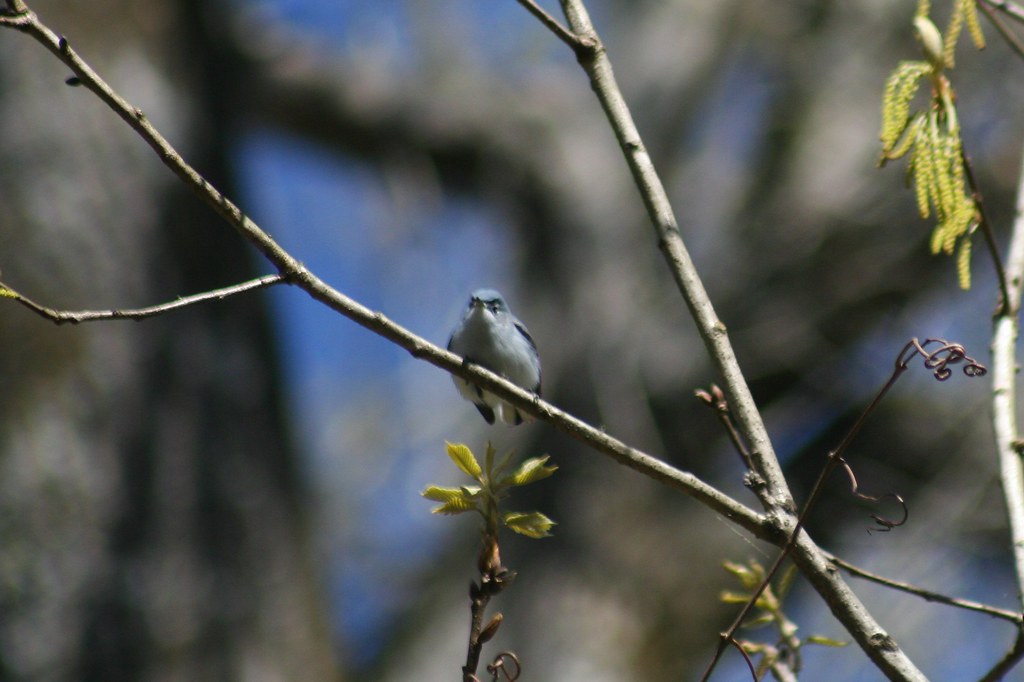
There were also a few Blue-gray Gnatcatchers, but in much lower numbers. I think they're more spread out, as they're a bit hardier than the parulas.

We also heard (and I saw only one) Yellow-throated Warblers, which was also a year bird. Their downward song was quickly learned and we heard many.

This was taken last year, however.
Along with the early migrants were a few very skulky White-eyed Vireos, which sang their chick-brrrrrrr-ow-chick song loudly. It's one of those songs I love to hear, and I'm glad they're back already!

Bad picture, I know. Skulkers...
However, we did miss a few things. We did not see any Pileateds but heard a few, which is a bit odd for the park, and no Barred Owl, which is understandable. We attempted to look for Black-and-Whites, Louisiana Waterthrush, and maybe even Prothonotary Warbler, but we missed them all. I think the frost may have halted any more migration or killed them.

But worry not, northern birders! Despite your many feet of snow, the migrants are coming, as proven by the woodcocks, phoebes, and other arriving hardy birds!

Coming to a forest near you!

Monday, March 9, 2015

Impatiently Waiting for Spring

I hate March.

March is a dead time for me- the ducks start leaving, the early migrants aren't quite here yet, and the days are bipolar. I don't even like winter to begin with, since my part of the world doesn't get any major rarities (the phalarope was nice, but it's mainly things like goldeneye and stuff) and anything good is far, far away. For instance, a White-tailed Kite and a Ruff are three hours away, while the Smith's Longspur in VA is four. The earliest migrants- if you can call them that, they're almost winter residents by now- such as Blue-headed Vireos, Black-and-White Warblers, and Common Yellowthroats haven't moved too much in my area yet, although I wait eagerly for their return.

How I await the sweet song of a vireo...
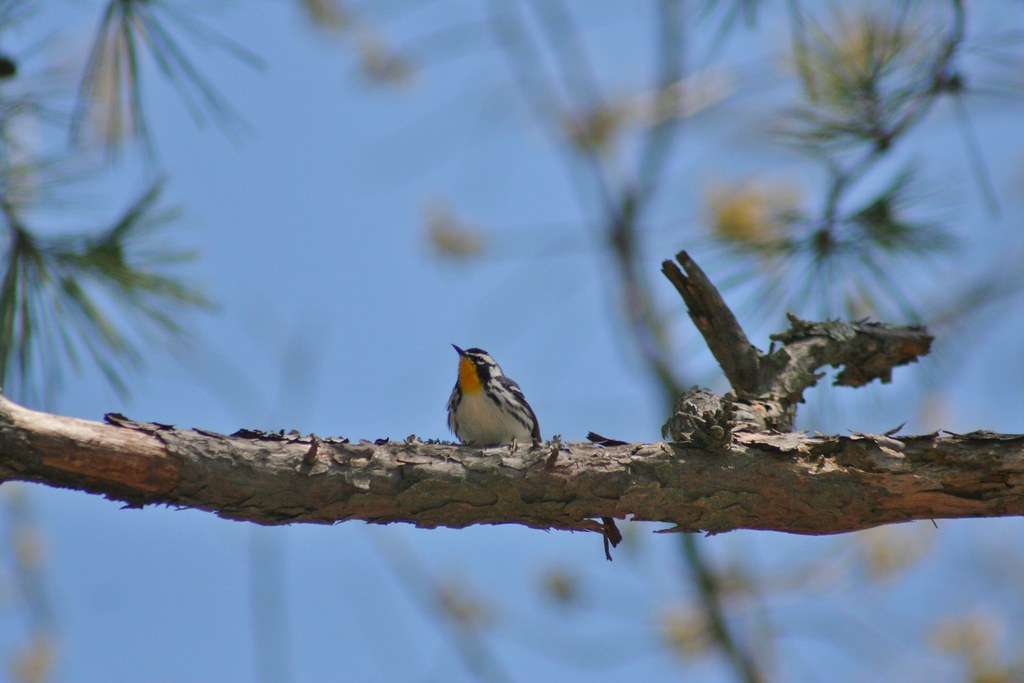
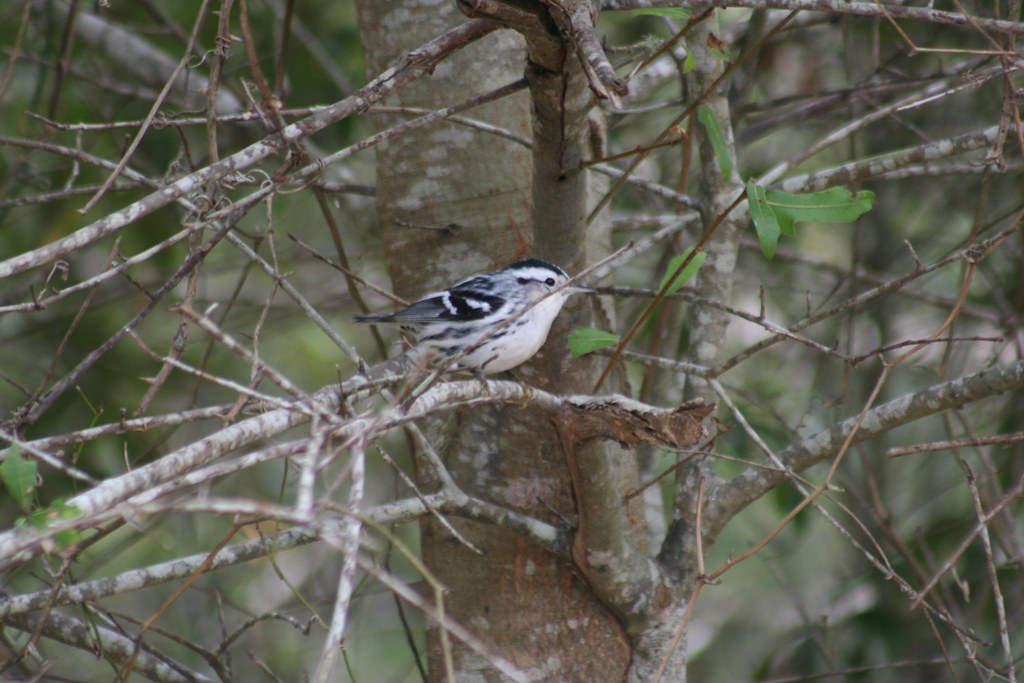
or the bold black and white stripes of the B&W Warbler...
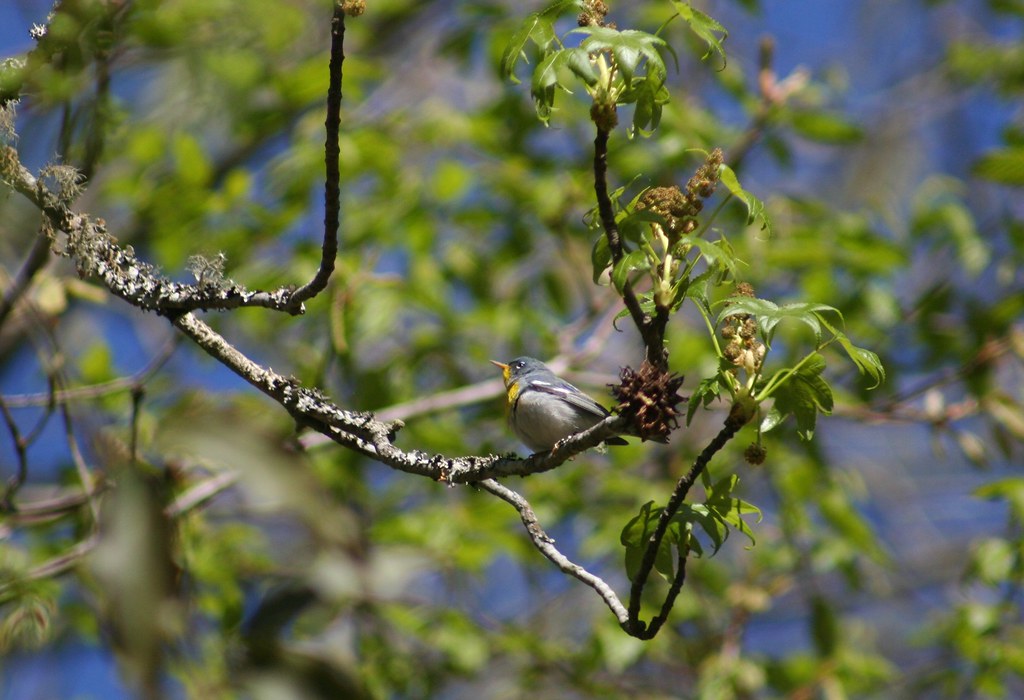
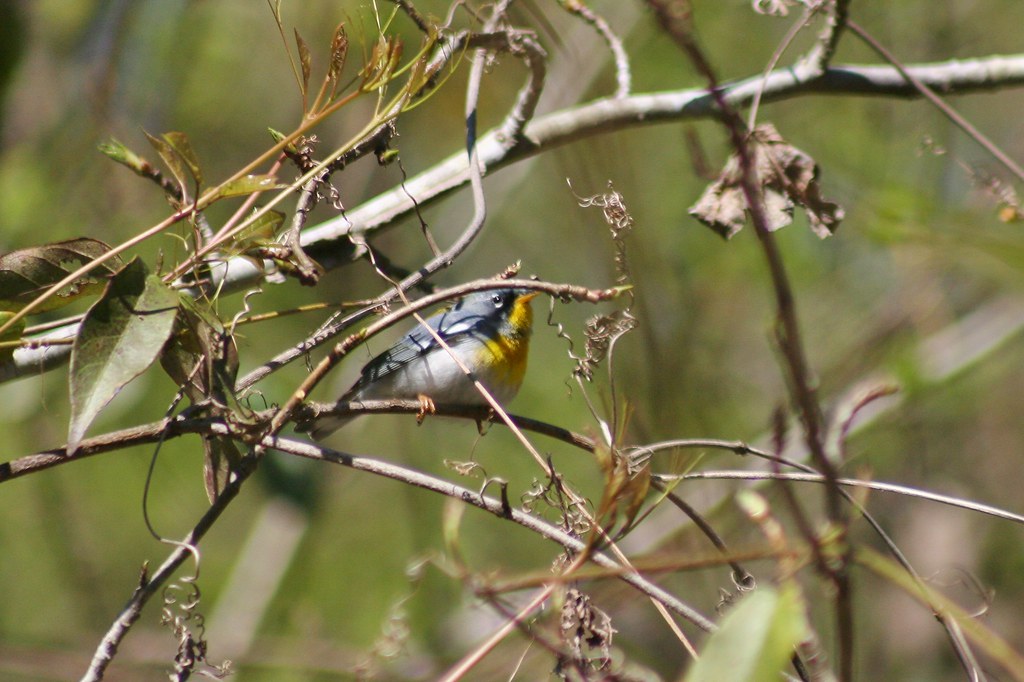
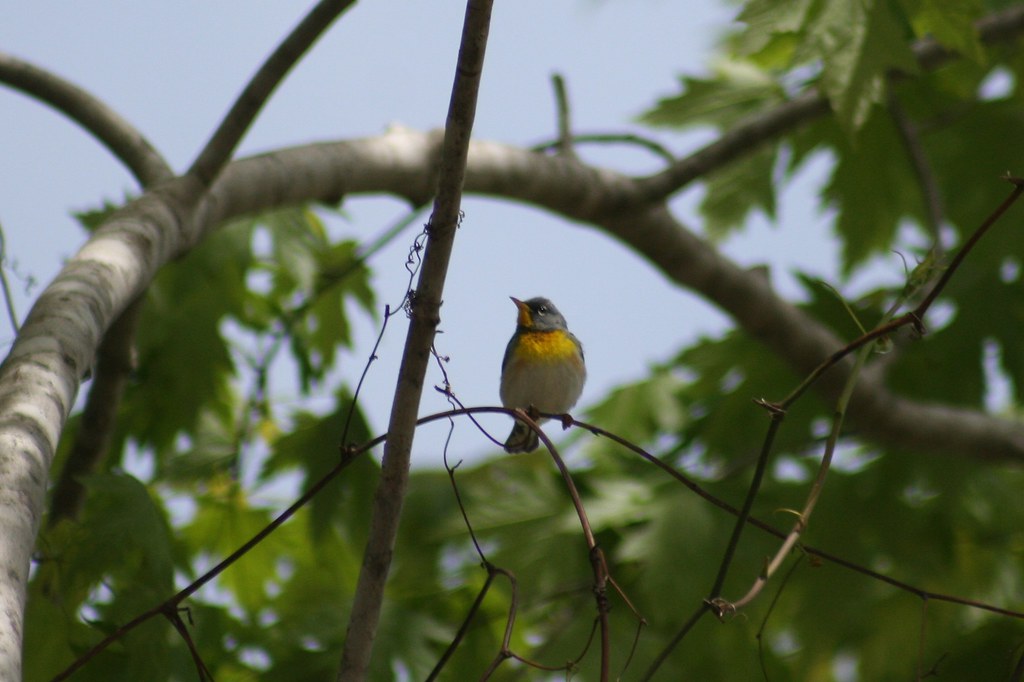
...and the bright colors of a Northern Parula.
I have so much planned for April, including possibly 2 trips to Congaree National Park, lots and lots of trips to the neighborhood patch, and I'm really excited for my spring break trip to Myrtle Beach, SC. My life list is at 286 and I'm really hoping #300 is something special- I want it to be a Painted Bunting, a bird I consider my nemesis. A Peregrine Falcon or a Golden-winged Warbler would be nice too- but I'll admit, I don't want it to be something like a Western Sandpiper or Mottled Duck. If I don't reach 300 during spring break, then hopefully I'll hold out until July when we head to Florida. I would love to get Nanday Parakeet or Short-tailed Hawk or another neat Florida bird as 300. 

Anyway, I digress. It's been rather slow with not many lifers or yearbirds- my latest year bird is Ring-necked Duck and Osprey. I had some Common Ravens in my county, which is uncommon enough to put on the listserv (no way am I adding to the "feeder bird" craze) and yesterday a Hermit Thrush whisper-sang its amazing song. I never get tired of that beautiful sound!

Love is definitely in the air, with courting Red-shouldered Hawks screaming and soaring around, robins fighting, mockingbirds and thrashers breaking into song, and aforementioned Hermit Thrush singing. It's great to hear the morning chorus, but I long for the voices of warblers to join. 

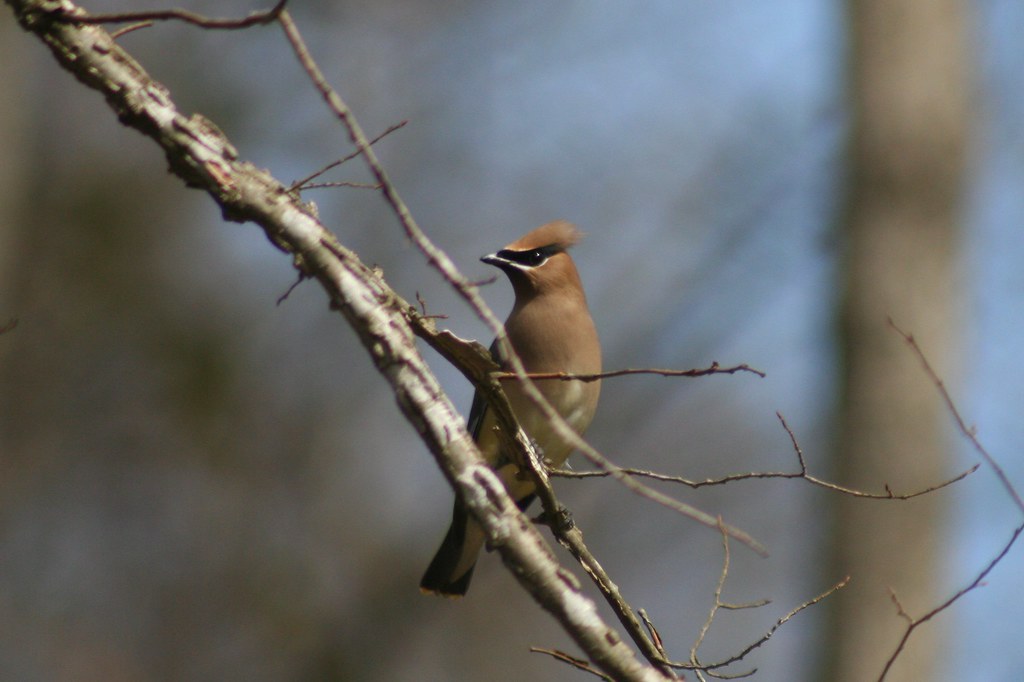
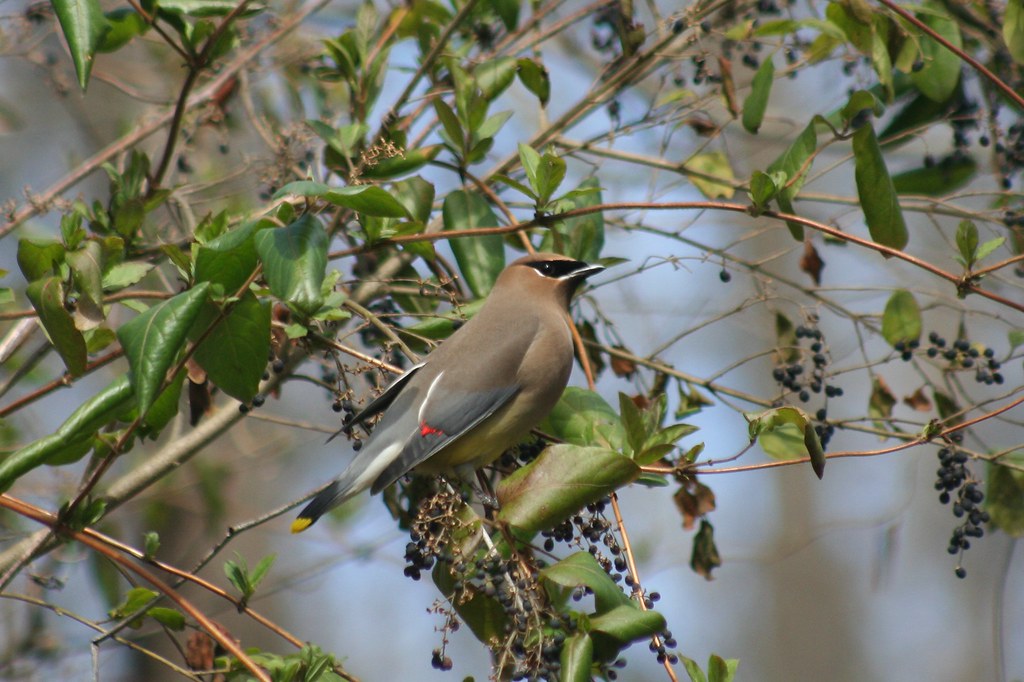
I had a lot of Cedar Waxwings spreading privet berries in my patch- the ground was littered with their droppings. Privet is a serious problem in my neighborhood, along with Japanese Stilt-grass. But the waxwings love it, and they seem to be stocking up for breeding season.

Waxwings are sharp looking birds.
Another masked bird of note is a Loggerhead Shrike that gave Matt and I great views. Shrikes are declining a bit around here, so it's always nice to see one.


I got to watch this individual barf up a pellet, which I thought was pretty cool. I wanted to find the pellet so I could see what it had eaten, but daylight was limited, so we got out of there.

Other than all that, it's been rather slow. Birding is happening, but birds are not. Hopefully our beloved spring migrants arrive soon, and safely! Happy birding!